Forecasting Fall 2026 Makeup Trends: A B2B Industry Deep Dive
INDEX & KEY INSIGHTS
- **Elevated Minimalism & Quiet Luxury Redefined:** Focus on sophisticated, natural-looking makeup with high-performance skincare-makeup hybrids.
- **Hyper-Personalization & AI-Driven Beauty:** Custom formulations, virtual try-on, and data-driven recommendations are paramount.
- **Bio-Harmonious & Sustainable Formulations:** Clean beauty 2.0, upcycled ingredients, waterless formats, and ethical sourcing drive innovation.
- **Nostalgia Reimagined & Digital Expression:** Modern takes on classic looks influenced by augmented reality and metaverse aesthetics.
- **Advanced Skinification of Makeup:** Active ingredients, barrier support, and microbiome-friendly formulations become standard.
- **Multi-Sensory & Experiential Cosmetics:** Textures, scents, and application rituals enhance the user experience.
- **Strategic Implications:** Brands must prioritize R&D in sustainable chemistry, AI integration, and consumer-centric innovation.
The beauty industry is in a perpetual state of evolution, driven by technological advancements, shifting consumer values, and a deeper understanding of cosmetic science. As we look towards Fall 2026, the landscape of makeup is poised for transformative shifts, moving beyond fleeting fads to embrace deeply integrated trends that reflect a more conscious, personalized, and high-performance approach to beauty. This analysis delves into the core trends shaping the future of cosmetic formulation and market strategy for B2B stakeholders.
Elevated Minimalism & “Quiet Luxury” Redefined
Fall 2026 will see a continued emphasis on refined, sophisticated aesthetics, but with a significant upgrade in performance and ingredient integrity. The “quiet luxury” movement, characterized by understated elegance and high-quality essentials, will permeate makeup. Consumers will seek products that enhance natural features rather than mask them, demanding formulations that offer a seamless, second-skin finish. This translates to a surge in demand for:
- **High-Performance Skin-Tint Hybrids:** Foundations, concealers, and tinted moisturizers infused with potent skincare actives (e.g., ceramides, peptides, hyaluronic acid) that offer buildable coverage, long-wear, and demonstrable skin benefits.
- **Subtle Sculpting & Definition:** Focus on cream-based contours, blushes, and highlighters that melt into the skin, creating natural shadows and light without harsh lines.
- **Refined Textures:** Velvety mattes, luminous satins, and sheer glosses that feel luxurious and look effortlessly polished.
- **Neutral & Earth-Toned Palettes:** A return to sophisticated nudes, warm browns, muted mauves, and deep forest greens, offering versatility and timeless appeal.
From a cosmetic chemistry perspective, this trend necessitates advanced pigment dispersion technologies for seamless application, film-forming polymers for extended wear without cakiness, and sophisticated emulsification systems for lightweight, nourishing textures.
Hyper-Personalization & AI-Driven Beauty
The quest for individuality will reach new heights, with artificial intelligence (AI) and machine learning (ML) becoming integral to product development and consumer experience. Fall 2026 will solidify the shift from mass-market offerings to bespoke beauty solutions.
- **Custom Formulation Platforms:** Brands will leverage AI to analyze individual skin data (tone, undertone, concerns, environmental factors) to create personalized foundation shades, serum-infused lip colors, or even custom eyeshadow palettes.
- **Virtual Try-On & Augmented Reality (AR):** AR tools will become more sophisticated, offering hyper-realistic simulations of makeup application, allowing consumers to experiment with trends and shades before purchase, reducing returns and enhancing satisfaction.
- **Data-Driven Product Recommendations:** AI algorithms will analyze purchase history, social media engagement, and trend data to offer highly curated product suggestions, optimizing inventory and marketing efforts for B2B clients.
- **Predictive Trend Analysis:** AI will play a crucial role in identifying emerging ingredient preferences, color palettes, and application techniques, enabling brands to react swiftly and innovate proactively.
This trend demands robust data infrastructure, advanced algorithms for color matching and ingredient efficacy prediction, and seamless integration of digital tools into the consumer journey.
Bio-Harmonious & Sustainable Formulations
Sustainability will no longer be a niche concern but a fundamental expectation across all beauty categories. Fall 2026 will see a deeper commitment to “clean beauty 2.0” – formulations that are not only free from controversial ingredients but also actively beneficial for the planet and human health.
- **Upcycled & Fermented Ingredients:** A focus on utilizing by-products from other industries (e.g., fruit seeds, coffee grounds) and harnessing biotechnology (fermentation) to create potent, sustainable actives with enhanced bioavailability.
- **Waterless & Concentrated Formats:** Solid makeup sticks, powder-to-cream formulations, and highly concentrated serums will gain traction, reducing water consumption in both manufacturing and consumer use, and minimizing packaging weight.
- **Biodegradable & Reef-Safe Pigments:** Innovation in natural and sustainably sourced pigments that do not harm aquatic ecosystems.
- **Ethical Sourcing & Transparency:** Increased demand for verifiable supply chains, fair trade practices, and clear communication about ingredient origins and environmental impact.
- **Biomimicry in Formulation:** Developing ingredients and textures that mimic natural processes or skin’s own composition, enhancing compatibility and efficacy.
Cosmetic chemists will focus on green chemistry principles, developing novel emulsifiers, preservatives, and rheology modifiers derived from renewable resources, alongside advanced encapsulation technologies to stabilize delicate natural actives.
Nostalgia Reimagined & Digital Expression
While minimalism reigns, there will be a parallel surge in expressive, playful makeup, often drawing inspiration from past decades but reinterpreted through a modern, digital lens.
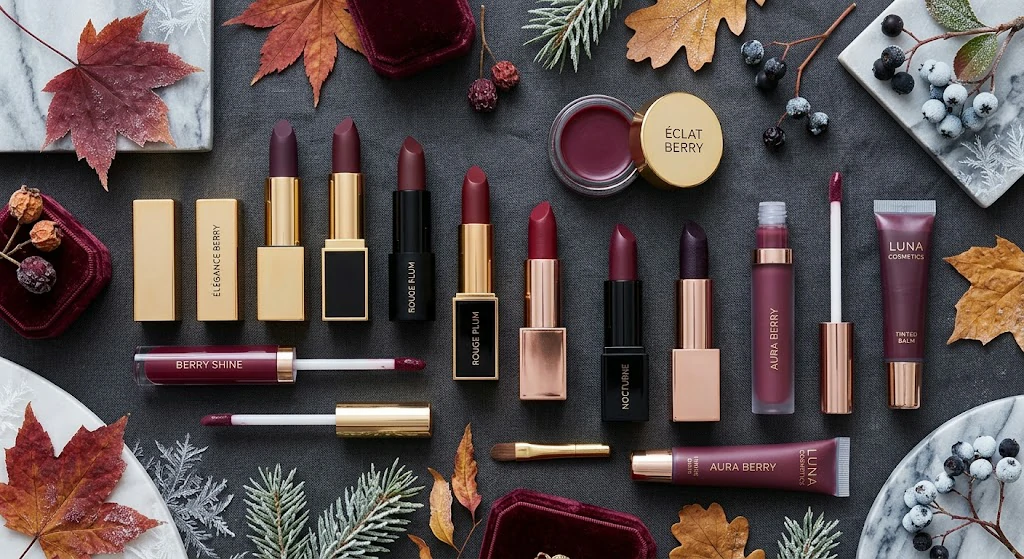
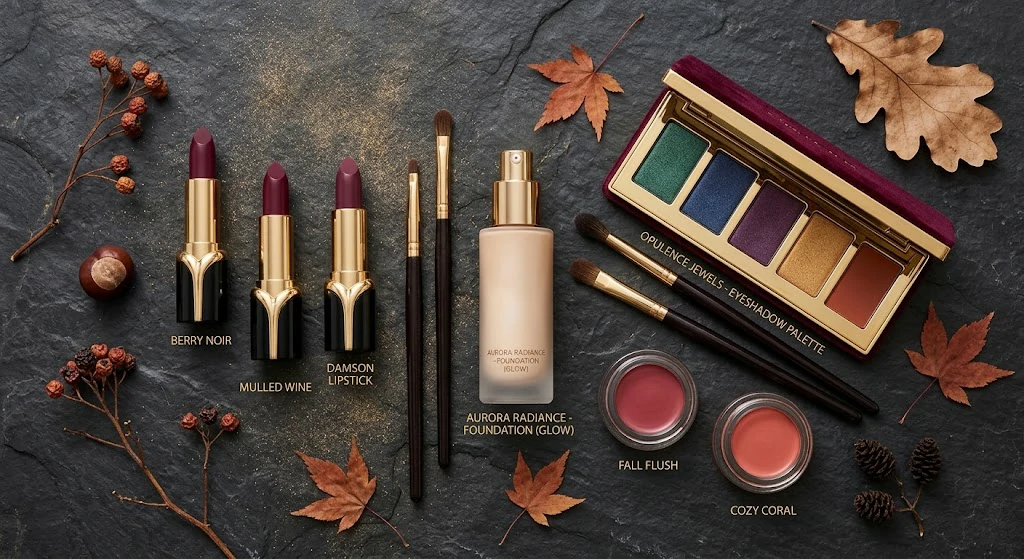
- **Refined Grunge & Goth:** Darker lip shades (deep berries, rich browns, blackened reds), smudged eyeliners, and smoky eyes will return, but with a softer, more blended application and high-quality, non-irritating formulas.
- **Y2K & 90s Revival (Elevated):** Shimmering eyeshadows, glossy lips, and defined brows will reappear, but with sophisticated textures, subtle iridescence, and a focus on skin health rather than heavy coverage.
- **Metaverse & AR Filter Influence:** Makeup looks seen in virtual worlds and popular AR filters will translate into physical products, driving demand for iridescent finishes, graphic liners, and unconventional color combinations.
- **Playful Accents:** Strategic use of glitter (biodegradable), face gems, and temporary tattoos for special occasions, reflecting a desire for self-expression and experimentation.
This trend requires formulators to develop pigments with superior color payoff and blendability, long-wearing yet comfortable formulas for graphic looks, and innovative textures that capture multi-dimensional effects.
Advanced Skinification of Makeup
The blurring lines between skincare and makeup will continue to solidify, with makeup products increasingly expected to deliver significant, long-term skin health benefits. This goes beyond simple hydration to targeted treatment.
- **Barrier-Supportive Formulations:** Foundations, primers, and setting sprays infused with ingredients like ceramides, fatty acids, and pre/probiotics to strengthen the skin barrier and protect against environmental aggressors.
- **Targeted Treatment Actives:** Makeup products specifically designed to address concerns like acne (salicylic acid, niacinamide), hyperpigmentation (Vitamin C, alpha arbutin), or signs of aging (peptides, retinoids in stable forms).
- **Microbiome-Friendly Makeup:** Formulations that respect and support the skin’s natural microbiome, avoiding harsh ingredients and incorporating prebiotics to foster a healthy skin ecosystem.
- **Blue Light & Pollution Protection:** Integration of antioxidants and specific filters to shield skin from digital pollution and urban environmental stressors.
Cosmetic chemists face the challenge of formulating stable, effective active ingredients within makeup matrices without compromising texture, wear, or aesthetic appeal. This requires advanced encapsulation, pH-balancing systems, and compatibility testing.
Multi-Sensory & Experiential Cosmetics
Beyond visual appeal, the overall experience of using makeup will become a key differentiator. Brands will focus on engaging multiple senses to create a more luxurious and enjoyable ritual.
- **Innovative Textures:** Products that transform upon application (e.g., gel-to-powder, oil-to-milk), unique bouncy or whipped consistencies, and formulas that provide a cooling or warming sensation.
- **Subtle, Evocative Scents:** Natural, sophisticated fragrances derived from essential oils or sustainable aroma compounds that enhance the mood or provide a therapeutic benefit, without being overpowering.
- **Ergonomic & Sustainable Packaging:** Thoughtfully designed applicators and packaging that feel good in the hand, are easy to use, and minimize environmental impact (refillable, recycled materials).
- **Application Rituals:** Encouraging mindful application techniques that turn daily makeup routines into moments of self-care and indulgence.
This trend demands creativity in material science, fragrance development, and packaging engineering, ensuring that sensory attributes align with brand identity and product efficacy.
Strategic Implications for B2B Cosmetic Manufacturing
For B2B cosmetic manufacturers and brand developers, these trends present both challenges and significant opportunities. Success in Fall 2026 will hinge on:
- **Agile R&D:** Rapid prototyping and formulation of innovative, high-performance products that meet evolving consumer demands for efficacy, sustainability, and personalization.
- **Sustainable Sourcing & Green Chemistry:** Investing in ethical supply chains, developing expertise in upcycled and fermented ingredients, and adopting eco-friendly manufacturing processes.
- **Technological Integration:** Embracing AI and AR for product development, personalization, and consumer engagement.
- **Regulatory Acumen:** Navigating increasingly complex global regulations related to clean beauty, ingredient transparency, and sustainability claims.
- **Partnerships:** Collaborating with ingredient suppliers, technology providers, and packaging innovators to bring cutting-edge solutions to market.
The Fall 2026 makeup landscape is defined by a sophisticated blend of scientific innovation, environmental consciousness, and a deep understanding of individual consumer needs. Brands that can effectively integrate these pillars into their product development and market strategies will be best positioned for sustained growth and leadership.
Manufacture with Aurora Global Brands
Recent Post