Mastering Fall/Winter Private Label Skincare: A Strategic Guide for Brands
QUICK NAVIGATION
- Understanding the Seasonal Shift in Skin Needs
- Key Skincare Challenges in Colder Months
- Essential Ingredients for Fall/Winter Formulations
- Strategic Product Categories for Private Label
- Emerging Trends & Consumer Expectations
- Leveraging Private Label for Market Advantage
The transition from warmer to colder months brings a distinct shift in environmental conditions, profoundly impacting skin health. Decreased humidity, colder temperatures, and increased indoor heating conspire to strip the skin of its natural moisture, compromising its protective barrier. For brands in the private label skincare sector, this seasonal change presents a significant opportunity to develop and market targeted solutions that address these specific challenges. Understanding the physiological responses of skin to winter stressors and identifying key ingredient technologies are paramount for creating effective, in-demand products. This article delves into the critical aspects of formulating for fall/winter, exploring essential ingredients, strategic product categories, and prevailing market trends to guide successful private label development.
Understanding the Seasonal Shift in Skin Needs
As autumn leaves fall and winter winds blow, the skin’s environment undergoes a dramatic transformation. External factors such as lower ambient humidity, biting winds, and colder temperatures directly contribute to increased transepidermal water loss (TEWL). Simultaneously, indoor heating systems further deplete moisture from the air, exacerbating skin dryness. This environmental assault weakens the skin’s natural lipid barrier, making it more susceptible to irritation, redness, and sensitivity. Consumers actively seek products that offer intense hydration, barrier repair, and soothing properties during these months, moving away from lighter, oil-controlling formulations favored in summer.
Key Skincare Challenges in Colder Months
The physiological response to cold weather manifests in several common skin concerns:
- Dryness and Dehydration: The most prevalent issue, characterized by a tight, uncomfortable feeling, flakiness, and a dull appearance. This is due to reduced sebum production and increased TEWL.
- Compromised Skin Barrier: The stratum corneum, the outermost layer of the skin, becomes less effective at retaining moisture and defending against irritants, leading to increased vulnerability.
- Increased Sensitivity and Redness: A weakened barrier allows irritants to penetrate more easily, often resulting in inflammation, redness, and discomfort, particularly for those with pre-existing conditions like rosacea or eczema.
- Dullness and Lack of Radiance: Slower cell turnover in colder weather, combined with dehydration, can lead to a buildup of dead skin cells, resulting in a lackluster complexion.
Essential Ingredients for Fall/Winter Formulations
Effective fall/winter skincare hinges on a synergistic blend of ingredients designed to hydrate, protect, and repair.
Humectants: The Moisture Magnets
These ingredients attract and bind water from the atmosphere and deeper skin layers, providing immediate and sustained hydration. Examples include Hyaluronic Acid (various molecular weights), Glycerin, Sodium PCA, Urea, and Panthenol (Vitamin B5).
Emollients: Softening and Smoothing
Emollients fill the gaps between skin cells, creating a smoother surface and improving skin texture. They also contribute to barrier function. Examples include Ceramides (NP, AP, EOP), Fatty Acids (linoleic, oleic), Cholesterol, Squalane, Plant Oils (Jojoba, Argan, Rosehip, Sunflower), Shea Butter, and Cocoa Butter.
Occlusives: The Protective Shield
These form a physical barrier on the skin’s surface, preventing water loss and sealing in moisture and other active ingredients. Examples include Petrolatum, Dimethicone, Lanolin, Beeswax, Mineral Oil, and Paraffin.
Barrier Reinforcers & Soothers
Ingredients that actively support the skin’s natural barrier repair mechanisms and calm irritation. Examples include Niacinamide (Vitamin B3), Peptides (e.g., palmitoyl tripeptide-5), Centella Asiatica (Cica), Allantoin, Bisabolol, Colloidal Oatmeal, and Licorice Root Extract.
Antioxidants: Environmental Defense
While not directly hydrating, antioxidants protect the skin from free radical damage exacerbated by environmental stressors, supporting overall skin health. Examples include Vitamin C (Ascorbic Acid and derivatives), Vitamin E (Tocopherol), Ferulic Acid, Green Tea Extract, and Resveratrol.
Gentle Exfoliants
To combat dullness, mild exfoliation is beneficial, but harsh physical scrubs or high concentrations of AHAs should be avoided. Examples include Polyhydroxy Acids (PHAs) like Gluconolactone and Lactobionic Acid, and mild enzymes.
Strategic Product Categories for Private Label
Brands can capitalize on seasonal demand by focusing on these product types:
- Gentle, Nourishing Cleansers: Cream, oil, or balm cleansers that remove impurities without stripping natural oils. Formulations should be sulfate-free and rich in emollients.
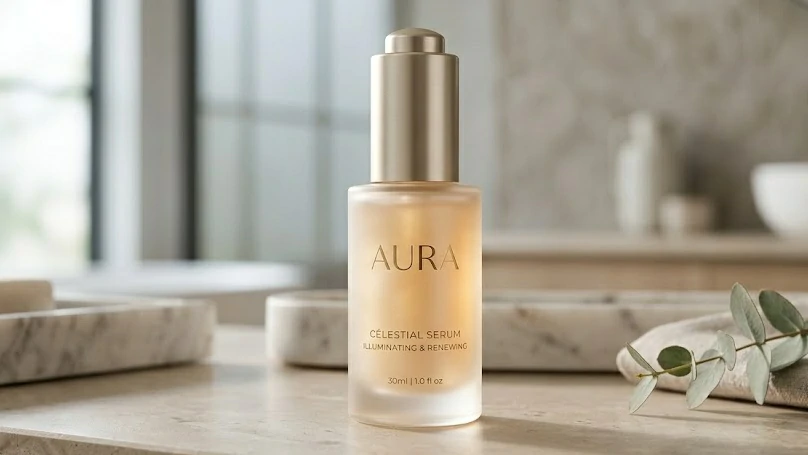
- Potent Hydrating Serums: Concentrated formulas featuring multiple humectants, barrier-repairing ingredients, and antioxidants to deliver targeted hydration and protection.
- Rich, Restorative Moisturizers: Thicker creams, balms, or ointments designed to provide intense hydration and occlusive protection. Layering options (e.g., a lighter serum under a heavier cream) are popular.
- Targeted Treatment Masks: Overnight masks or rinse-off masks packed with hydrating, soothing, and nourishing ingredients to provide an intensive boost.
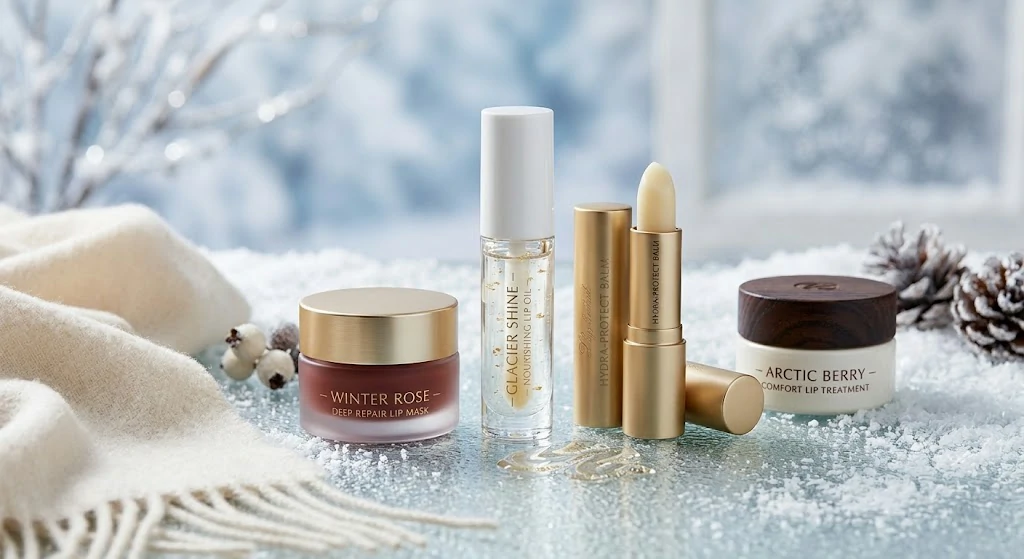
- Specialized Body & Lip Care: The body and lips are equally susceptible to winter dryness. Rich body butters, lotions, hand creams, and protective lip balms are essential.
Emerging Trends & Consumer Expectations
The fall/winter market is influenced by broader skincare trends, with specific nuances for colder weather:
- Barrier-Centric Skincare: A strong emphasis on products that explicitly state their ability to repair, strengthen, and protect the skin barrier. Ingredients like ceramides, fatty acids, and cholesterol are highly sought after.
- Sustainable & Ethical Sourcing: Consumers increasingly demand transparency regarding ingredient origin, environmental impact, and ethical labor practices. Brands incorporating sustainably sourced botanical extracts or upcycled ingredients gain an edge.
- Personalization & Customization: While challenging for private label at scale, offering product lines that cater to specific skin types (e.g., “ultra-dry,” “sensitive winter skin”) or allowing for ingredient layering can meet this demand.
- “Skinimalism” & Multi-Tasking Formulas: Despite the need for richer products, consumers still appreciate streamlined routines. Products that offer multiple benefits (e.g., a moisturizer that hydrates, repairs, and soothes) are highly valued.
- Blue Light Protection (Indoor Exposure): With increased indoor time, awareness of blue light damage from screens persists. Ingredients like Lutein or specific botanical extracts can be incorporated.
Leveraging Private Label for Market Advantage
Private label offers a compelling pathway for brands to enter or expand within the fall/winter skincare market.
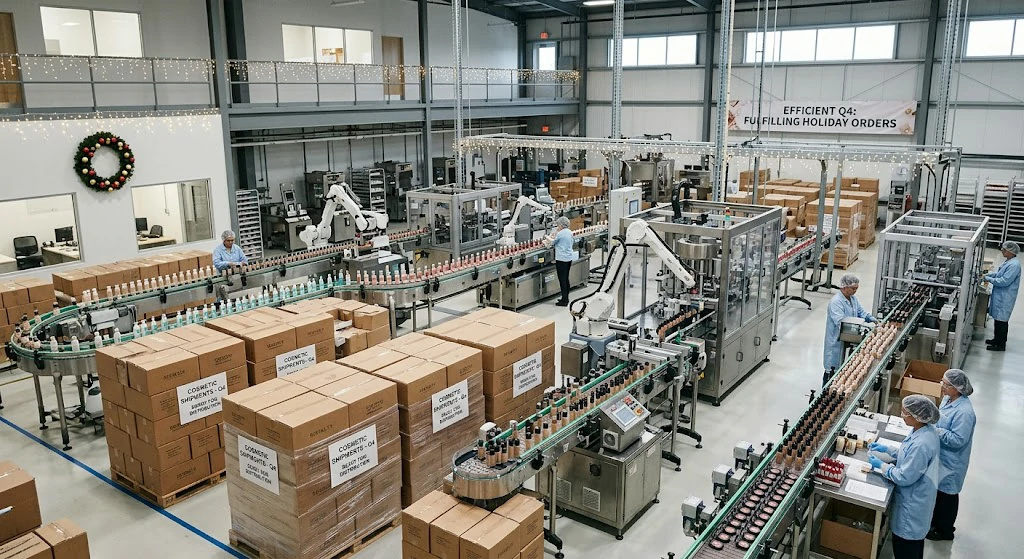
- Agility and Speed-to-Market: Private label manufacturers often have pre-formulated bases or established ingredient supply chains, significantly reducing development time and allowing brands to respond quickly to seasonal trends.
- Cost Efficiency: By leveraging existing formulations and economies of scale, brands can develop high-quality products without the extensive R&D investment required for custom formulations.
- Brand Differentiation: While using private label, brands can still differentiate through unique packaging, compelling branding, ingredient storytelling, and strategic marketing that highlights the specific benefits of their fall/winter line.
- Expert Formulation Access: Partnering with a reputable private label manufacturer grants access to experienced cosmetic chemists and formulators who understand the nuances of seasonal skincare and ingredient efficacy.
The fall/winter season presents a predictable yet dynamic opportunity for private label skincare brands. By deeply understanding the unique challenges skin faces in colder, drier conditions and strategically formulating with a blend of humectants, emollients, occlusives, and barrier-reinforcing ingredients, brands can create highly effective and sought-after products. Aligning with current market trends such as barrier health, sustainability, and multi-tasking solutions will further enhance market penetration and consumer loyalty. The agility and expertise offered by private label partnerships empower brands to deliver premium, seasonally relevant skincare solutions efficiently and effectively.
Formulate with Aurora Global Brands
Recent Post