👀 Quick Overview: Key Differences at a Glance
| Feature | Traditional Cosmetics | Functional Cosmetics (Cosmetic + Drug) |
|---|---|---|
| FDA Approval Needed? | ❌ No (but must be safe) | ✅ Yes (OTC monograph or NDA) |
| Claims Allowed | Aesthetic only | Therapeutic (e.g. treat, prevent, protect) |
| Example Products | Lipstick, nail polish, brushes | SPF cream, acne concealer, anti-aging serum |
| Manufacturing Standards | General quality control | FDA GMP-compliant |
| Labeling Requirements | Basic cosmetic labeling | Drug-level labeling requirements |
| Testing Required? | Not mandatory | Clinical/lab tests may be required |
🧴 What Is a Traditional Cosmetic?
Definition:
Products meant to beautify, cleanse, or enhance appearance — without altering body structure or function.
Examples:
Matte lipstick
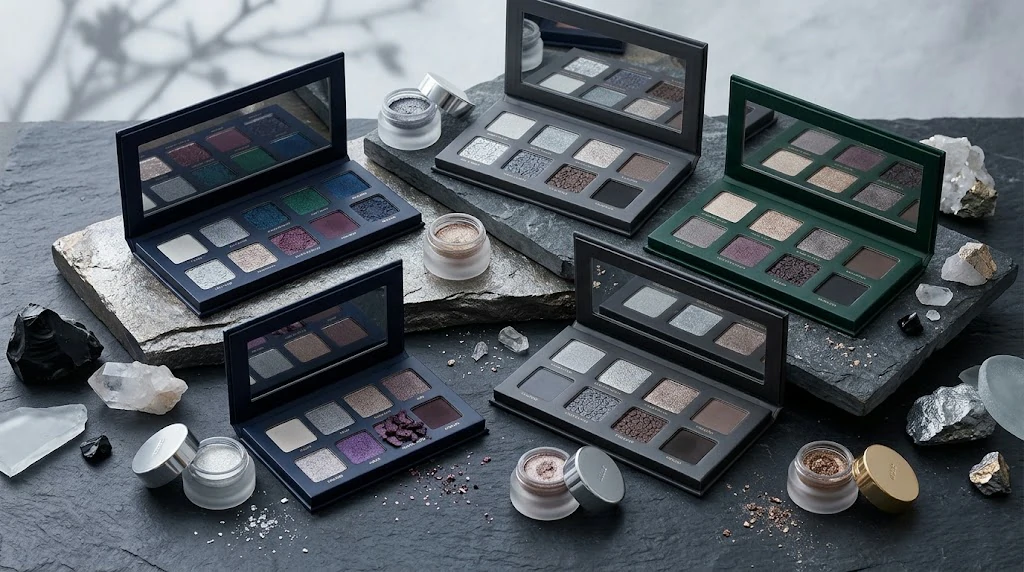
Pressed eyeshadow
Nail polish
False lashes
Makeup brushes
You can say:
“Moisturizes the skin”
“Brightens appearance”
“Gives a radiant finish”
You cannot say:
“Heals damaged skin”
“Eliminates acne”
“Stimulates collagen”
FDA Requirements:
No pre-approval needed, but products must be safe
Use only FDA-approved color additives (source)
Label must show ingredients, net quantity, and manufacturer
No false or misleading claims
💊 What Is a Functional Cosmetic?
Also known as cosmetic-drug hybrids, these are products that make therapeutic or physiological claims.
Examples:
BB cream with SPF 30
Retinol anti-aging serum
Salicylic acid acne treatment
Medicated brow growth gel
Typical Claims That Trigger FDA Drug Regulation:
“Protects against UV rays”
“Reduces inflammation”
“Clears acne”
“Stimulates hair growth”
FDA Requirements:
✅ Must comply with OTC Monograph or apply for NDA
✅ Manufactured in FDA-compliant drug facilities
✅ Must have appropriate drug labeling
✅ Claims require scientific evidence or clinical testing
👉 Learn more from the FDA OTC Monograph system
🧠 Real-Life Examples to Understand the Difference
| Product | Classification | Why? |
|---|---|---|
| Basic lip balm | Traditional Cosmetic | Only moisturizes, no therapeutic claims |
| Lip balm with SPF 20 | Functional Cosmetic (Drug) | Claims to protect lips from UV damage |
| Night cream with retinol | Functional Cosmetic (Drug) | Retinol alters skin function (anti-aging claim) |
| Foundation without active ingredients | Traditional Cosmetic | Used only for coverage/appearance |
| Foundation with salicylic acid | Functional Cosmetic (Drug) | Acne treatment = drug claim |
✅ What International Brands Must Do
Whether you’re a private label startup or a contract manufacturer, here’s how to stay compliant:
✔ Avoid medical claims unless you’re ready to meet drug-level requirements
✔ Check all ingredients against FDA’s prohibited list (see list)
✔ Work with manufacturers familiar with U.S. cosmetic and OTC drug regulations
✔ Understand your product’s classification before marketing in the U.S.
🧭 Final Tips for U.S. Market Entry
Use neutral, benefit-driven language in your marketing (e.g., “enhances glow” instead of “repairs skin”).
Register your facility if producing drug-classified products — it’s not mandatory for overseas brands, but often expected by U.S. distributors.
Refer to the FDA Cosmetic Labeling Guide for packaging compliance.