

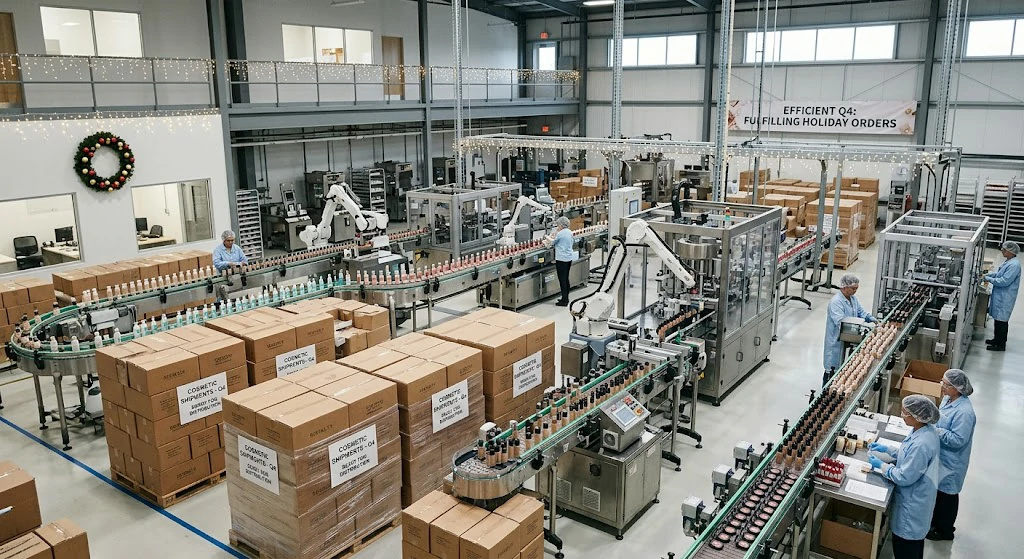



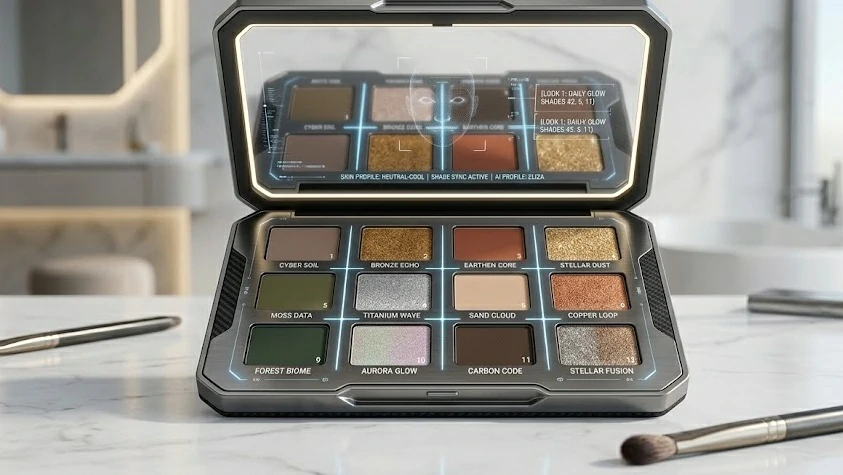
Cosmetics supply chain management in 2026 has transitioned from simple physical safety checks to rigorous, real-time informational transparency. Successful global procurement now requires a highly integrated strategy that balances rapid manufacturing lead times with the stringent, uncompromising data requirements of both the US FDA’s MoCRA and the EU’s CPNP standards. Retail buyers must now prioritize manufacturing partners who provide full, digital ingredient traceability to avoid catastrophic customs holds and retail recalls.
While microbiological and chemical safety has always been non-negotiable in prestige beauty, 2026 represents a "compliance cliff" for ingredient disclosure. Authorities in North America and Europe are aligning to enforce a model of "informational safety." This places the legal and financial burden of granular data disclosure squarely on the manufacturer and the brand owner (the Responsible Person). You can no longer hide behind generic INCI terms; the modern supply chain demands absolute visibility from the source of the raw material to the final consumer packaging.
In the United States, 2026 is the period of mature, active enforcement for the Modernization of Cosmetics Regulation Act (MoCRA). The initial grace periods have ended. Facility registration and product listing are merely baseline administrative prerequisites. FDA enforcement audits now focus heavily on scientific safety substantiation for every individual ingredient within a formulation.
Furthermore, 2026 marks the first cycle of mandatory biennial facility registration renewals. Responsible Persons are also legally bound to maintain functioning, accessible serious adverse event reporting systems. If a brand cannot produce a comprehensive safety dossier within 15 days of an FDA inquiry, they face immediate market removal. B2B buyers must prioritize OEM partners, like Aurora Global Brands, who maintain these digital dossiers ready for audit at any moment.
Exacerbating federal requirements are highly volatile state-level mandates. Following initial deadlines, states such as Maine, Vermont, and Connecticut are enforcing absolute bans or extremely strict reporting mandates on cosmetics containing intentionally added PFAS (per- and polyfluoroalkyl substances). B2B buyers must audit their current formulations to ensure they are certified PFAS-free through standardized testing (such as total organic fluorine analysis) before shipment to these regions. Relying on outdated MSDS sheets is no longer sufficient; actual analytical lab data is required.
The European market remains the global benchmark for technical restriction and consumer protection. July 2026 is a critical, uncompromising deadline regarding the implementation of EU Regulation 2023/1545. This regulation vastly expands the list of mandatory fragrance allergens that must be explicitly declared on primary and secondary labels—jumping from 26 to over 80 substances.
Under this new paradigm, "Parfum" or "Fragrance" can no longer serve as a shield for hidden compounds. Manufacturers must ensure that every trace isomer in a complex essential oil blend is accounted for in the INCI list if it exceeds 0.001% in leave-on products or 0.01% in rinse-off products.
Non-compliant products placed on the EU market before July 31, 2026, may technically remain on shelves until mid-2028. However, any new production runs or products intended for Customs clearance after this July date must adhere strictly to the expanded labeling. Procurement teams must plan secondary packaging overhauls 6 to 9 months in advance to avoid massive inventory bottlenecks at European ports.
Supply chain resilience in 2026 is entirely defined by informational visibility and proactive data management. To protect brand equity and ensure continuous revenue flow, buyers should perform a three-step administrative audit on their supply chain partners:
Global compliance in 2026 is a decisive factor in brand valuation. Investors and major retailers are scrutinizing regulatory readiness before signing contracts. By proactively auditing current formulations and labeling specifications now, growth companies ensure seamless international market access and avoid costly, late-stage retail overhauls, cementing their position as trusted operators in the prestige cosmetics market.
We use cookies to keep our website working, understand how visitors use it, and measure advertising performance. You can accept cookies or update your privacy choices at any time.