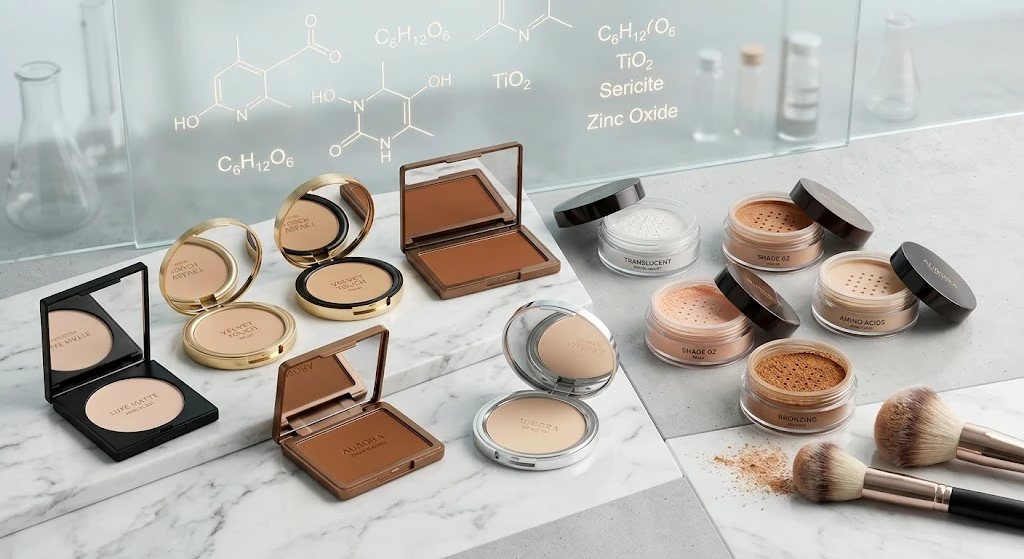

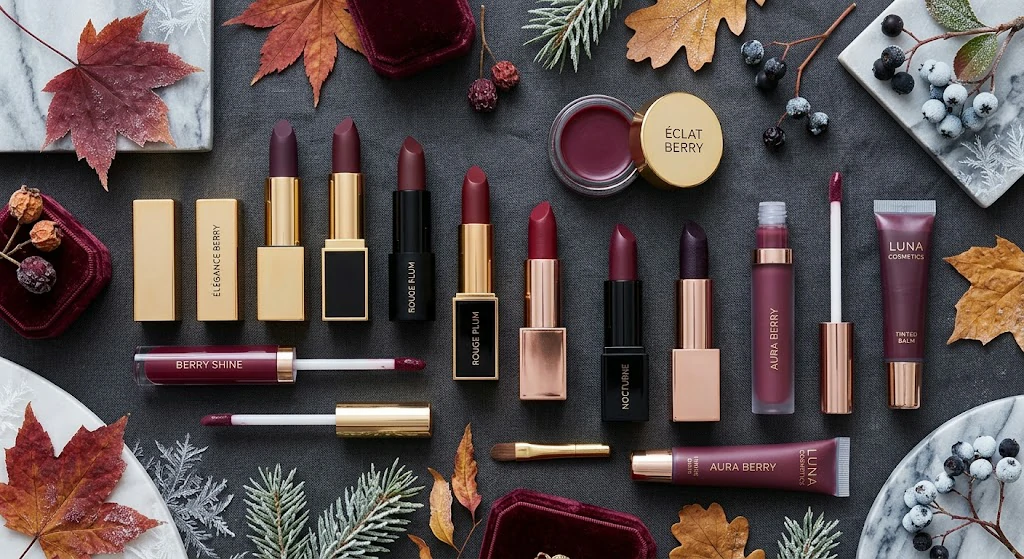
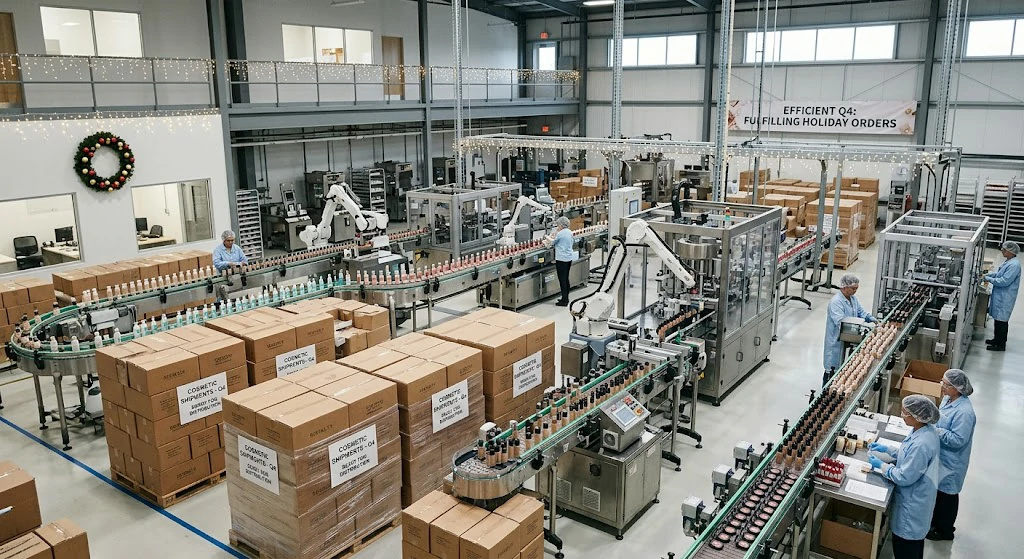

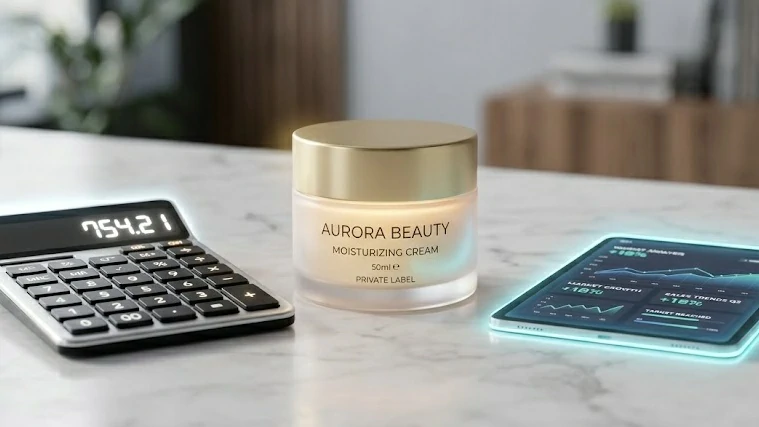
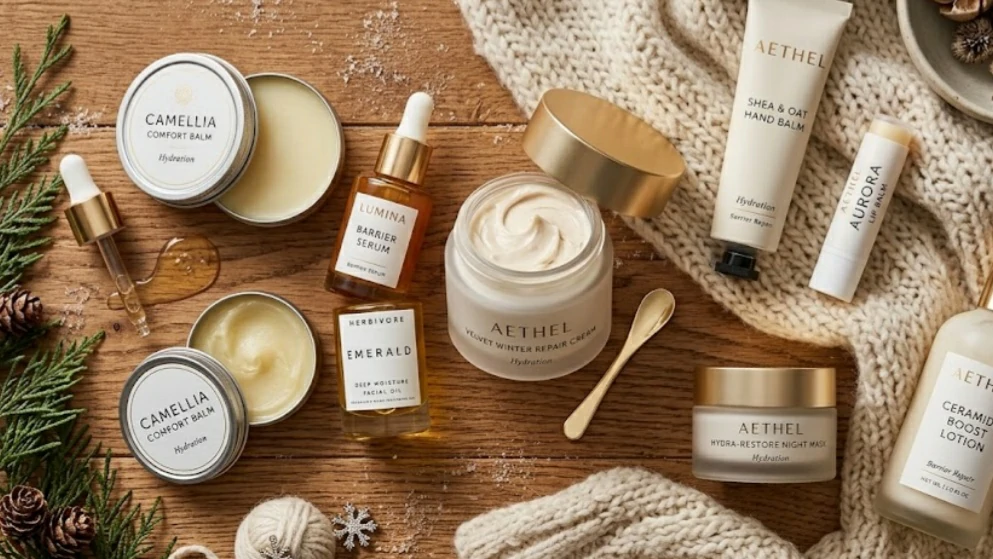
In 2026, the cosmetics industry has completely redefined luxury. It is no longer characterized by excess, but rather by a sophisticated synergy between high-performance efficacy and regenerative environmental responsibility. For professional buyers across the EU and US, "Sustainable Luxury" has transitioned from an optional marketing claim to a stringent baseline requirement driven by both regulatory mandates and consumer ethics.
The conversation around clean beauty has evolved from simply avoiding harmful chemicals to actively utilizing technology-driven, bio-compatible ingredients. Traditional agricultural sourcing for cosmetic extracts can be resource-heavy and subject to climate volatility. In response, 2026 sees the mass integration of biotechnology in premium skincare and color cosmetics.
Sustainable packaging has moved beyond basic recyclability to a holistic "Circular Economy" approach. The impending milestones of the EU Packaging and Packaging Waste Regulation (PPWR) are forcing brands to rethink their hardware entirely. Luxury is now communicated through intelligent design, material innovation, and a minimized environmental footprint.
To remain competitive and compliant, B2B buyers must prioritize manufacturers capable of delivering the following packaging solutions:
Water (Aqua) has historically been the primary volume filler in cosmetics, often comprising up to 80% of a formula. In 2026, "Skinimalism" and environmental consciousness have driven a surge in waterless formats. By removing the water, brands are delivering hyper-concentrated formulas that offer maximum efficacy with minimal application.
From a supply chain perspective, waterless products—such as concentrated balms, solid cleansing sticks, and powder-to-liquid enzyme exfoliants—drastically reduce shipping weights and volumes. This not only lowers freight costs and carbon emissions but also significantly reduces the need for synthetic preservatives, appealing directly to the clean beauty consumer.
Transparency is the ultimate luxury. As global markets prepare for the mandatory rollout of Digital Product Passports, packaging is transforming into an interactive digital interface. High-end brands are embedding NFC tags and QR codes directly into their primary packaging.
These smart labels provide the end consumer with instant, verifiable data regarding ingredient sourcing, clinical testing results, Life Cycle Assessment (LCA) environmental impact scores, and precise, localized recycling instructions. For retail buyers, ensuring that your manufacturing partner has the data infrastructure to support DPPs is critical for future-proofing your product lines.
Winning in the 2026 beauty market requires brands to treat sustainability, clinical performance, and technological innovation as inseparable elements of product development. By embracing bio-intelligent ingredients like mycelium extracts and transitioning to truly circular packaging systems, brand owners can meet the sophisticated demands of the modern, eco-conscious buyer. Aurora Global Brands provides the advanced manufacturing infrastructure and strategic foresight necessary to help your brand define the next chapter of sustainable luxury.
We use cookies to keep our website working, understand how visitors use it, and measure advertising performance. You can accept cookies or update your privacy choices at any time.