Can Skincare and Makeup Be One Product?
Short Answer:
Yes and no. While hybrid beauty products are increasingly popular, successfully combining skincare and makeup into a single product involves technical, regulatory, and marketing challenges.
1. Why Hybrid Beauty Products Are in Demand
Consumers today seek convenience and efficiency. Products that combine skincare and makeup—like foundations with SPF or primers with hydrating ingredients—appeal to modern lifestyles.
Time-saving: Fewer steps in daily routines.
Cost-effective: One product serves multiple functions.
Minimalist beauty: Aligns with the “skinimalism” trend.
According to Mintel, the demand for hybrid beauty products is expected to grow steadily due to consumer desire for smarter, multi-tasking cosmetics.
2. The Formulation Challenge
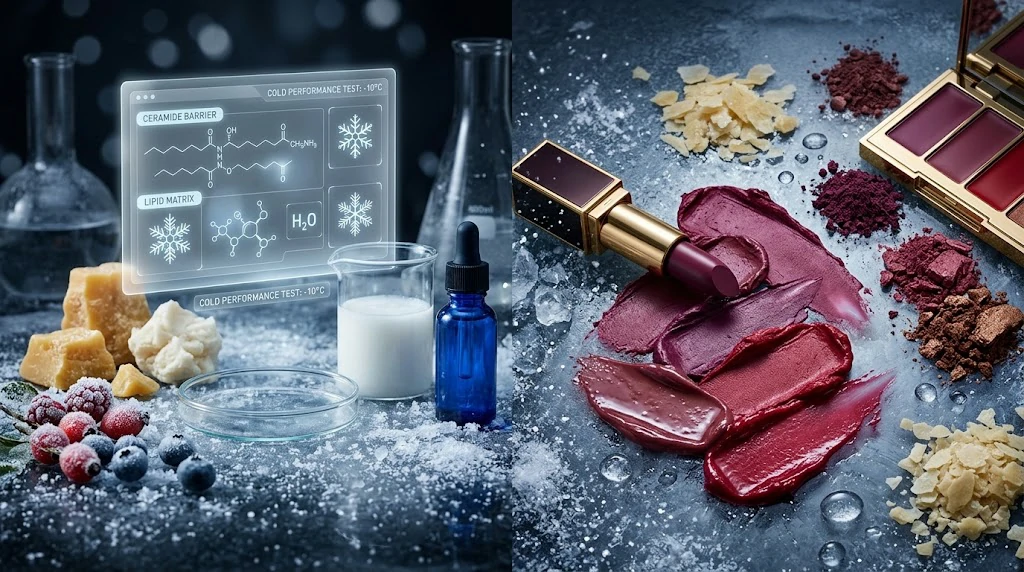
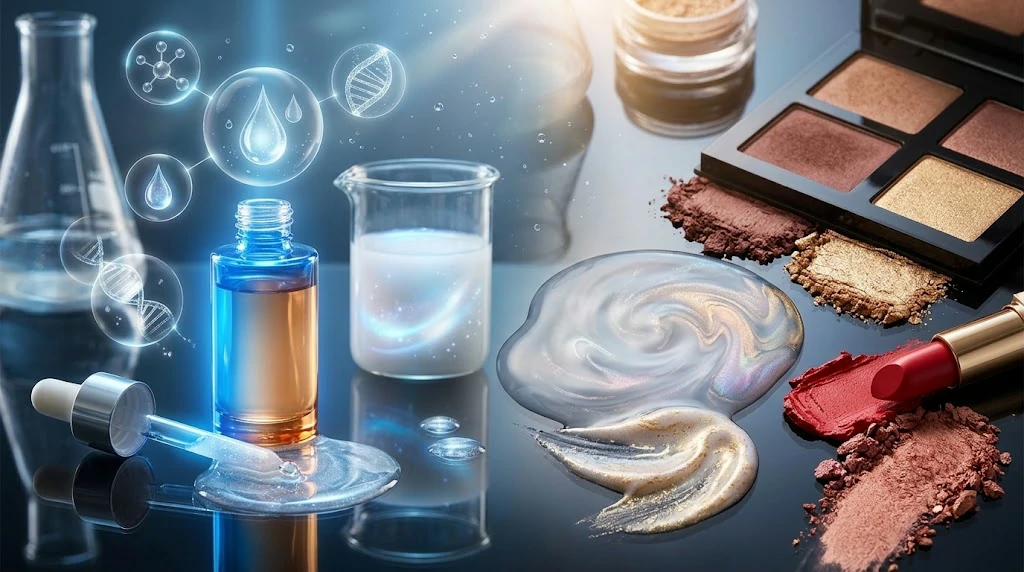
Blending skincare actives with makeup ingredients is not as simple as mixing them in a jar.
Common Conflicts in Formulation:
Stability Issues: Some ingredients lose effectiveness when mixed.
Texture and Absorption: Makeup must sit on the skin; skincare should absorb.
Ingredient Interactions: Niacinamide and certain acids, for example, may react poorly when combined.
As noted by Healthline, understanding how ingredients interact is critical to efficacy and safety.
3. Regulatory Implications
Different Claims, Different Regulations
A product that claims to improve skin condition may be treated as a cosmetic or even a quasi-drug, depending on the region.
U.S. FDA: Distinguishes between cosmetics and drugs based on claims.
EU Regulations: Focus on product safety, claims substantiation, and labeling.
Failure to classify correctly can lead to regulatory delays or recalls.
4. Brand Strategy: Positioning Hybrid Products
Marketing hybrid products requires clear positioning.
Who is the target user?
What’s the core benefit—beauty or skincare?
How is it used in the routine?
Brand clarity ensures that consumers understand how to use the product and what benefits to expect.
5. Manufacturing Hybrid Products
Contract manufacturing hybrid products requires:
Advanced formulation labs
Batch stability testing
Precise ingredient compatibility protocols
According to the Personal Care Products Council, manufacturers must uphold stringent quality standards, especially when combining multiple active ingredients.
At Aurora Global Brands, we provide contract manufacturing solutions for makeup products that can incorporate functional ingredients, helping clients explore hybrid opportunities within makeup-first formats.
6. Conclusion: Should Brands Consider Hybrid Products?
Creating a successful skincare-makeup hybrid is complex—but potentially rewarding.
Pros:
Meets growing consumer demand
Higher perceived value
Creates product differentiation
Cons:
Requires expert formulation and testing
Navigating compliance can be complex
Not all ingredients are compatible
Recommendation: Start with a hybrid product that leans toward your brand’s strength (e.g., makeup infused with hydration), test market acceptance, and scale gradually.