🚧 1. Different Countries = Different Rules
Each country has its own cosmetics regulations. What’s allowed in China might be banned in the EU or restricted in the U.S.
Here are some key examples:
| Region | Regulatory Body | Notable Rules |
|---|
| 🇪🇺 EU | European Commission | Prohibits 1,300+ ingredients, mandates safety files |
| 🇺🇸 USA | FDA | Oversees label claims, color additives |
| 🇨🇦 Canada | Health Canada | Requires Cosmetic Notification Form (CNF) |
| 🇯🇵 Japan | MHLW | Requires local labeling, import license |
Want to ship to the EU? You’ll need to follow Regulation (EC) No 1223/2009, which includes full ingredient declarations, safety assessments, and more.
🌡️ 2. Many Cosmetics Are Temperature-Sensitive
Unlike apparel or electronics, cosmetics like:
Lipsticks 💄
Foundations 🧴
Nail polish 💅
Liquid eyeliners 👁️
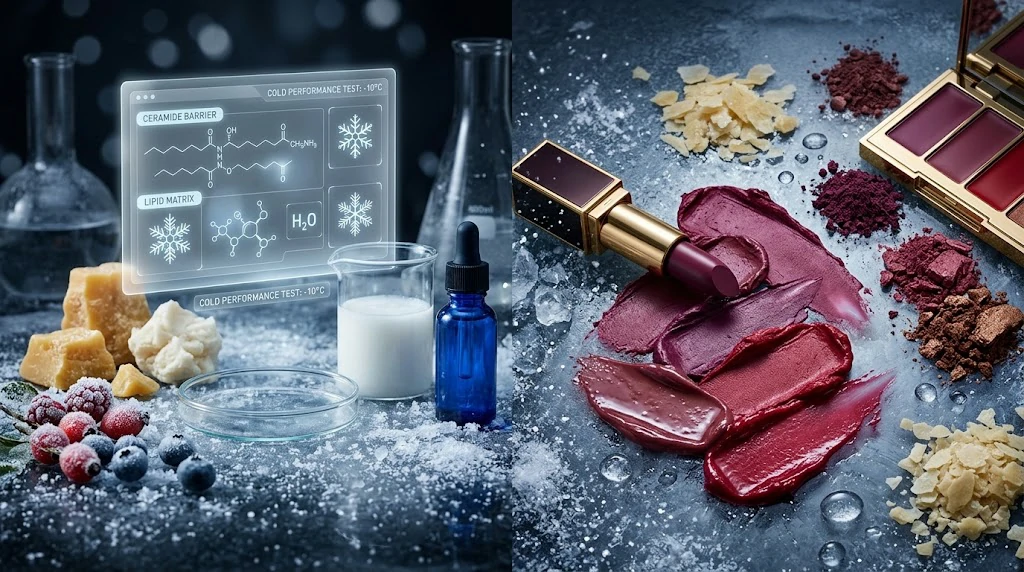
…can degrade under heat, freeze in cold, or separate in humidity. This makes them vulnerable during long-haul air freight or sea transport.
🚚 To protect them:
Use insulated or climate-controlled shipping
Avoid long customs delays in hot climates
Choose quick-clearance carriers when possible
📝 3. Labels & Paperwork Must Be Spot On
For customs clearance, most countries require:
For example, Japan requires products to be relabeled by a registered importer—details are outlined by the Japan External Trade Organization (JETRO).
Missing or incorrect labels can lead to confiscation or rejection at customs.
🚫 4. Some Ingredients Are Banned or Restricted
Unlike basic goods, cosmetics are often subject to ingredient reviews.
Examples:
Hydroquinone is banned in the EU
Lead acetate (used in some hair dyes) is banned in the U.S.
Alcohol-based perfumes face transport restrictions due to flammability 🔥
The World Customs Organization provides classifications that affect how such products are declared and shipped.
📦 5. Packaging Must Prevent Damage & Tampering
You can’t just toss beauty products in a box. Packaging must:
Be leak-proof
Use tamper-evident seals
Prevent contamination
This is especially true for products like mascaras or creams, which are prone to oxidation or drying out.
Some regions also require ISO-compliant labeling and packaging, such as ISO 22715 standards.
⏳ 6. Customs Delays Are More Likely
With skincare or makeup products, your shipment may be flagged for:
These delays increase lead time and require logistics planning. To reduce risk:
Work with experienced freight forwarders
Choose countries with fast-track programs
Keep all regulatory files (e.g., PIF, SDS) on hand
✅ Final Tip: Work With Experts
Global cosmetics shipping is a high-stakes game. It’s not just about moving boxes—it’s about complying with constantly shifting rules, regulations, and standards.
For emerging brands, the smart move is to partner with experienced manufacturers who:
Understand regional compliance
Offer export-ready packaging
Provide documentation support
Aurora Global Brands, for instance, supports clients worldwide with private label and contract manufacturing services, including logistics support for cosmetics and skincare.