1. Sustainable Packaging Becomes the Norm
As environmental concerns grow, sustainability is no longer optional in cosmetics packaging. Brands are increasingly using biodegradable, compostable, and refillable packaging solutions. According to a report by McKinsey & Company, sustainable packaging is a key factor in consumer purchase decisions, particularly in color cosmetics and nail care.
Key innovations include:
Refillable compacts and palettes
FSC-certified paper and cardboard materials
Packaging made from post-consumer recycled (PCR) plastic
2. Smart Packaging Integrates Digital Engagement
Smart packaging, embedded with NFC chips or QR codes, allows brands to interact directly with consumers via smartphones. This technology enhances transparency by providing ingredient details, usage tutorials, and brand storytelling in real-time. Companies like L’Oréal have been pioneering this approach, providing valuable user engagement and data collection opportunities. For more, see Packaging World’s coverage.
Case Example
L’Oréal’s Perso device, launched in 2024, personalizes skincare and makeup formulations and integrates NFC tags for daily tracking.
3. Minimalist Design with Functional Aesthetics
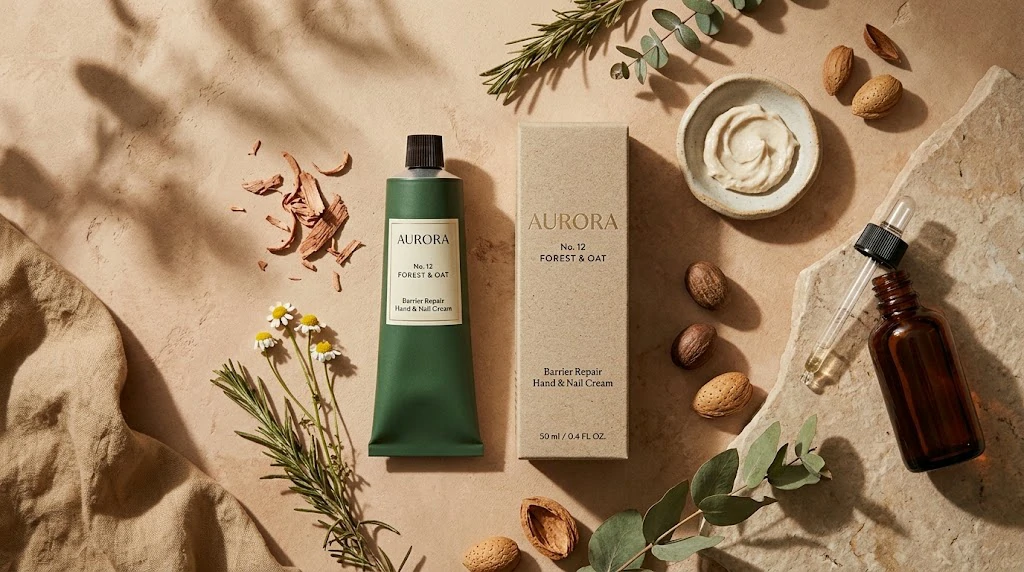
Consumers in 2025 prefer clean, minimalist designs that reflect purity and trust. Monochromatic color schemes, embossed logos, and simplified fonts are in vogue, especially for professional beauty lines and private label collections. Functionality is also a priority, with easy-to-use pumps, magnetic closures, and compact designs gaining popularity.
4. Rise of Airless and Preservative-Free Packaging
Airless packaging continues to gain momentum, particularly for formulations that are preservative-free or sensitive to oxygen exposure. This technology ensures product stability and extends shelf life, a critical factor for both makeup and nail care products.
Packaging Comparison Table
| Packaging Type | Sustainability | Cost | Suitable Products | User Experience |
|---|
| Refillable Glass Bottles | High | Medium-High | Serums, Foundations | Premium, Eco-conscious |
| Airless Plastic Pump Bottles | Medium | Medium | Sunscreen, Essence | Hygienic, Portable |
| Mono-material Tubes | High | Low | Hand Creams, Mascaras | Easy to Recycle |
5. Customization and Bespoke Designs
Private label brands are embracing bespoke packaging to differentiate themselves. Custom molds, unique shapes, and personalized printing offer a distinctive edge. Aurora Global Brands, for instance, supports fully customized packaging options through its contract manufacturing services, enabling brands to create unique visual identities.
Example
A recent client developed a custom hexagonal compact with dual compartments for powder and blush, enhancing brand uniqueness and functionality.
6. Compact, Travel-Friendly Formats
With the return of travel and on-the-go lifestyles, compact packaging formats are making a comeback. Think pocket-sized blushes, dual-ended lip products, and travel brush sets. This trend is especially strong in the U.S. and Asia-Pacific markets.
Data Insight
According to Euromonitor International, the travel-size beauty market is expected to grow by 7.8% CAGR through 2025.
7. Transparent and Mono-Material Packaging for Recycling
To simplify recycling, brands are moving toward mono-material packaging (e.g., all-PP or all-PE containers). Transparency in materials also promotes trust, as consumers can see the product and packaging’s recyclability. Learn more about this movement on WWD’s sustainability insights.
Conclusion
The cosmetics packaging landscape in 2025 is a fusion of sustainability, innovation, and user-centric design. Brands that invest in eco-friendly materials, smart packaging, and customized aesthetics will better meet consumer expectations and build lasting brand loyalty. For private label and contract manufacturers, staying ahead of these trends is key to delivering value in a competitive marketplace.