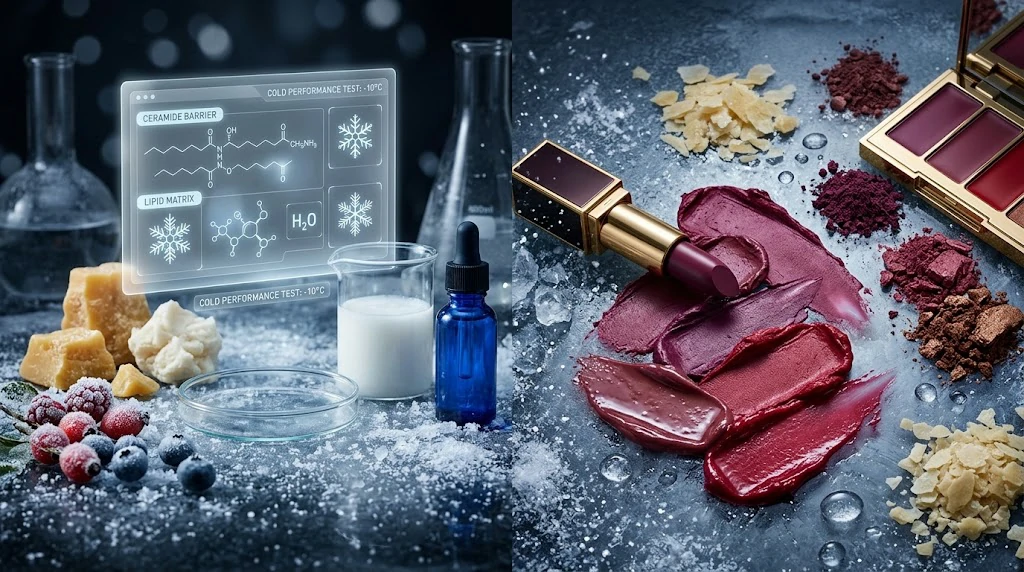

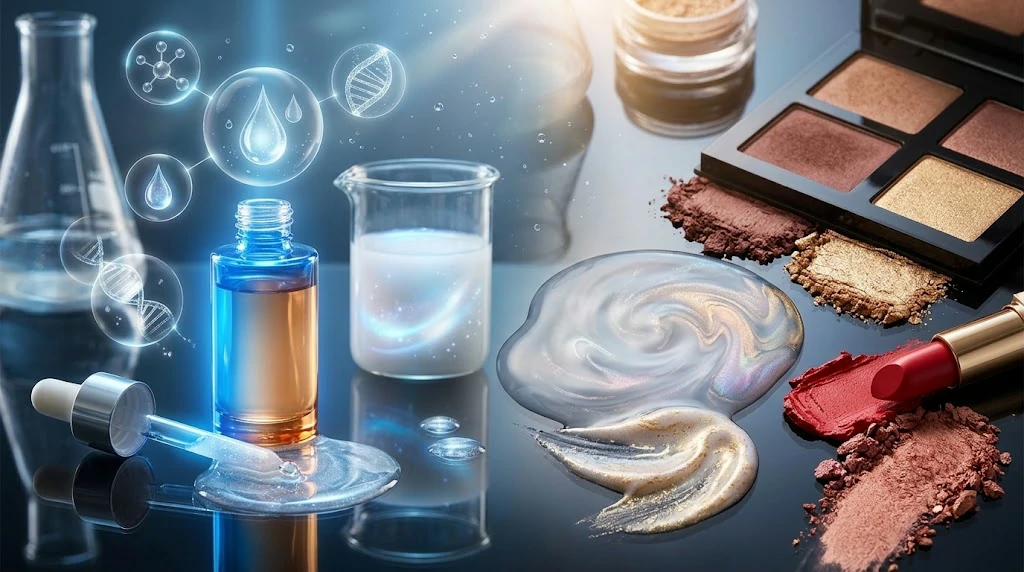
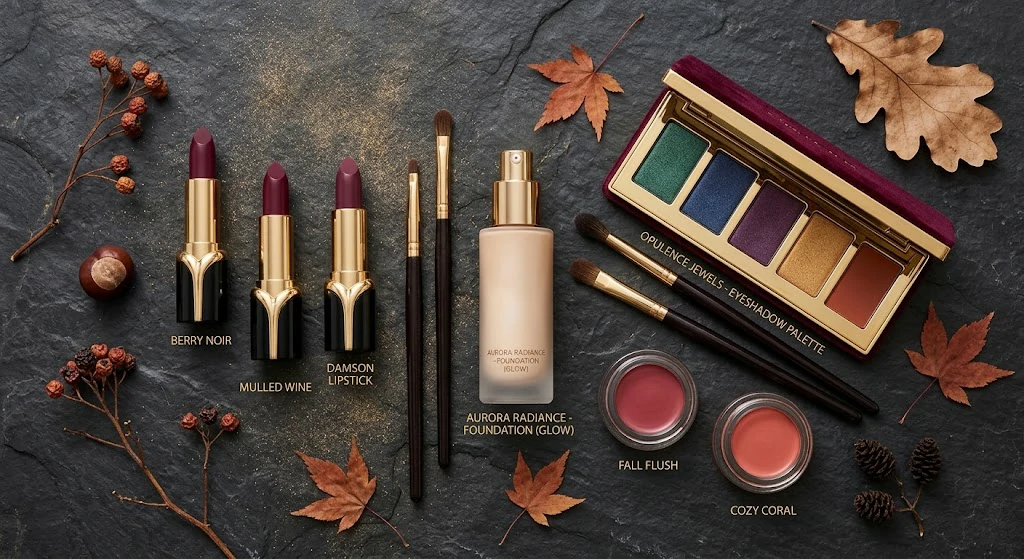
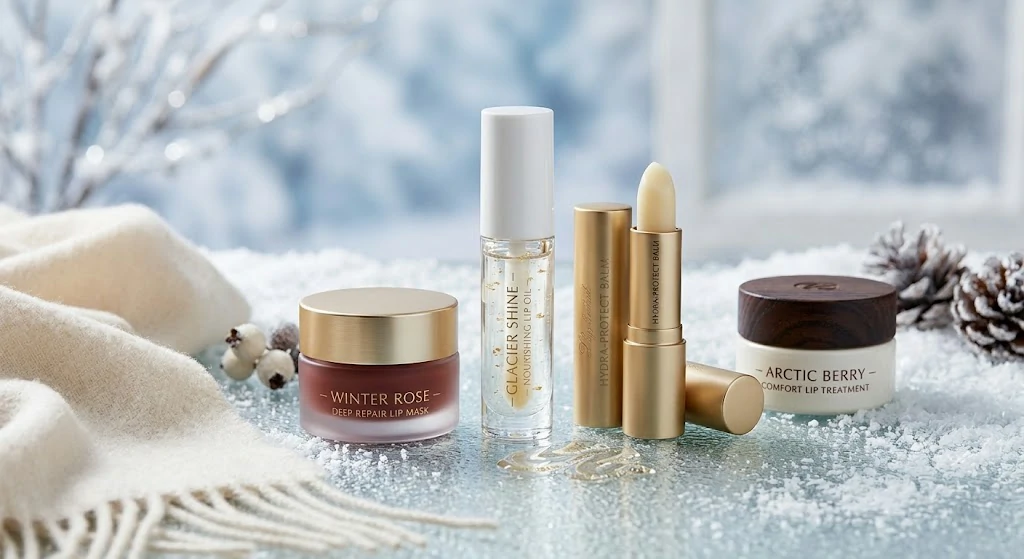
In Fall 2025, beauty formulas are being shaped by three key shifts: more efficient synthetic pigments, skincare-enhancing fermented ingredients, and green, bio-based alternatives. These changes are redefining how both skincare and makeup deliver performance, safety, and sustainability.
The cosmetics industry is heading into Fall 2025 with a clear focus: deliver effective, ethical, and future-proof products. Brands are embracing lab-grown colors, fermentation-based actives, and sustainable materials—not just for clean beauty claims, but to meet modern expectations of performance and transparency.
Let’s explore how each of these forces is influencing product development across categories—from foundations to face masks.
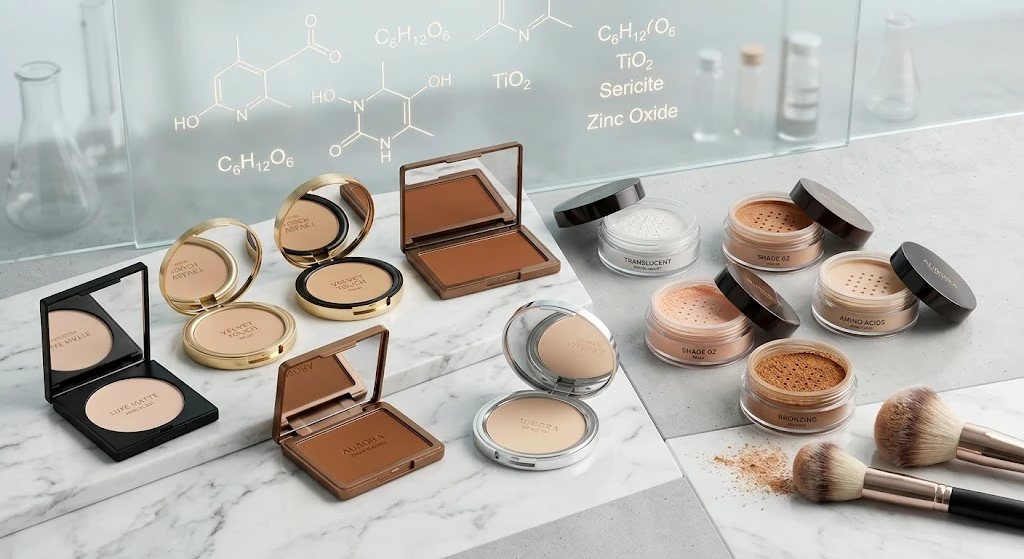
Synthetic pigments have long been favored for their vibrant payoff and consistency. But next-gen versions go further by addressing past concerns over heavy metals or environmental impact.
What’s changing? Manufacturers are refining pigment production to reduce impurities and improve skin tolerance.
New solutions like encapsulated colorants and hybrid natural-synthetic blends offer longer wear with less irritation.
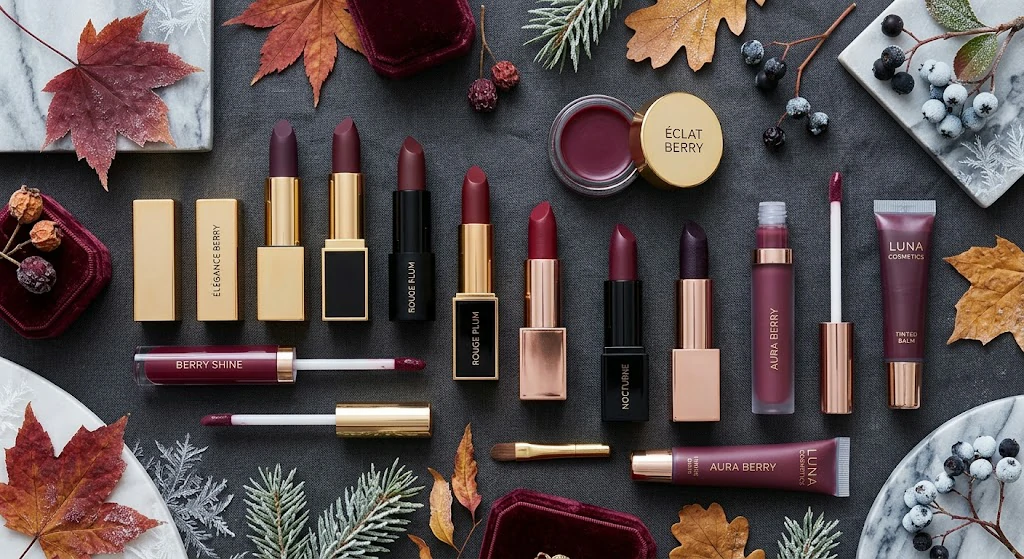
In application: Expect these pigments in products like long-wear lip colors, tinted moisturizers, and even in tinted skincare hybrids where precision shade control is key.
👉 According to Statista, the global cosmetic pigments market is projected to surpass $13 billion by 2027, reflecting strong demand.
Fermentation is more than a buzzword—it’s transforming ingredient efficacy.
What it means: Natural materials are fermented using yeasts or bacteria, breaking them down into smaller, more bioavailable compounds.
Benefits: Fermented ingredients often deliver antioxidants, peptides, and enzymes that support hydration, brightening, and skin resilience.
Popular actives: Galactomyces filtrate, fermented rice extract, and Bacillus-fermented oils.
These ingredients are moving beyond K-beauty. In 2025, they’ll appear in both clear serums and complexion products, providing function alongside finish.
🔗 Read this scientific review for detailed insights into how fermentation enhances skincare bioactivity.
Sustainability isn’t optional anymore—consumers expect it, and regulators are catching up. As such, green alternatives are becoming the formulation baseline.
Examples:
Biotech-derived emollients replacing petrochemical oils.
Upcycled fruit acids and plant extracts used as mild exfoliants.
Plant-derived pigments (e.g., beetroot, spirulina) offering soft, buildable hues.
These swaps reduce dependence on finite resources and help brands appeal to eco-conscious buyers.
🔗 For a comprehensive industry perspective, see this L’Oréal sustainability report.
These formulation shifts are visible in both skincare and color cosmetics:
| Category | Trend Applications |
|---|---|
| Serums & Ampoules | Fermented antioxidants, green emollients |
| Foundation & Tinted Moisturizers | Synthetic-natural pigment blends |
| Lip Products | Cleaner synthetic pigments, plant wax bases |
| Cleansers & Exfoliators | Upcycled botanicals, fermentation acids |
| Masks | Biotech-derived hydrators, natural clays + colors |
For private label and contract manufacturers, these trends offer both opportunity and complexity:
R&D will need to balance aesthetics, function, and compliance.
Ingredient sourcing must ensure traceability, performance, and regulatory alignment.
Claims like “green,” “clean,” or “fermented” must be evidence-backed to avoid greenwashing scrutiny.
🔗 The Personal Care Products Council provides helpful guidelines on terminology and claims substantiation.
Fall 2025 marks a turning point in cosmetic formulation. It’s not about choosing between nature and science—but about integrating the best of both. Clean, high-performing pigments; fermented, skin-boosting actives; and thoughtful, planet-friendly alternatives are no longer niche—they’re essential.
Brands that adapt early will lead the future of beauty.
We use cookies to keep our website working, understand how visitors use it, and measure advertising performance. You can accept cookies or update your privacy choices at any time.
We will reply back within 24 hours.