Unveiling Winter Eyeshadow Trends: A B2B Deep Dive into Pigment Science and Market Dynamics
TABLE OF CONTENTS & KEY TAKEAWAYS
- **The Evolving Landscape of Winter Eyeshadow:** Winter beauty trends are driven by consumer desire for sophistication and performance, with eyeshadows playing a pivotal role in defining seasonal aesthetics.
- **Dominant Color Palettes: Richness and Depth:** Deep jewel tones, sophisticated cool neutrals, and earthy shades are set to dominate, requiring advanced pigment technology for vibrancy and stability.
- **Textural Innovations: Shimmer, Metallic, and Velvety Mattes:** High-impact metallics, frosty shimmers, and ultra-blendable mattes are key, demanding precise particle size control and innovative binder systems.
- **The Rise of Performance-Driven Formulations:** Long-wear, crease-resistant, and multi-functional eyeshadows are non-negotiable, emphasizing the need for advanced film formers and emollients.
- **Sustainability and Transparency in Eyeshadow Development:** Clean beauty principles, ethical sourcing, and eco-friendly packaging are increasingly influencing ingredient selection and manufacturing processes.
- **Strategic Implications for Cosmetic Brands:** Success in the winter eyeshadow market hinges on agile product development, leveraging cosmetic chemistry expertise, and aligning with consumer values.
The Evolving Landscape of Winter Eyeshadow
The winter season consistently ushers in a distinct shift in cosmetic preferences, with eyeshadows often serving as the focal point for seasonal beauty narratives. For B2B stakeholders in the cosmetic industry, understanding these nuanced shifts is critical for strategic product development, ingredient sourcing, and market positioning. Consumer demand for sophistication, longevity, and innovative textures drives the winter eyeshadow market, necessitating a deep dive into both aesthetic trends and the underlying cosmetic chemistry that enables them. Market intelligence indicates a growing appreciation for high-performance formulations that deliver both visual impact and wearability, reflecting a more discerning consumer base influenced by digital media and professional makeup artistry.
Dominant Color Palettes: Richness and Depth
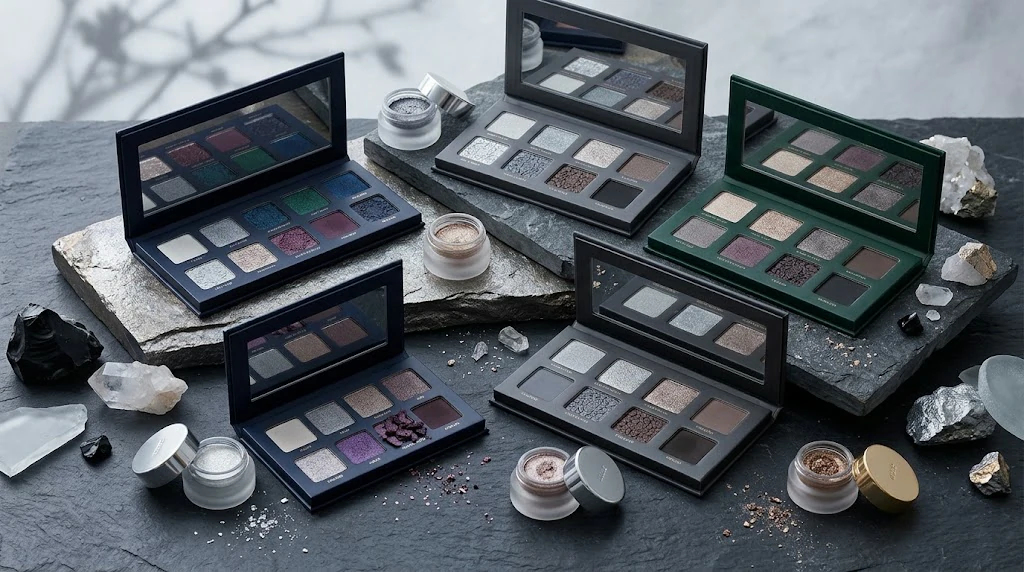
Winter 2024-2025 is poised to embrace a palette characterized by profound depth and sophisticated richness. Key color trends include:
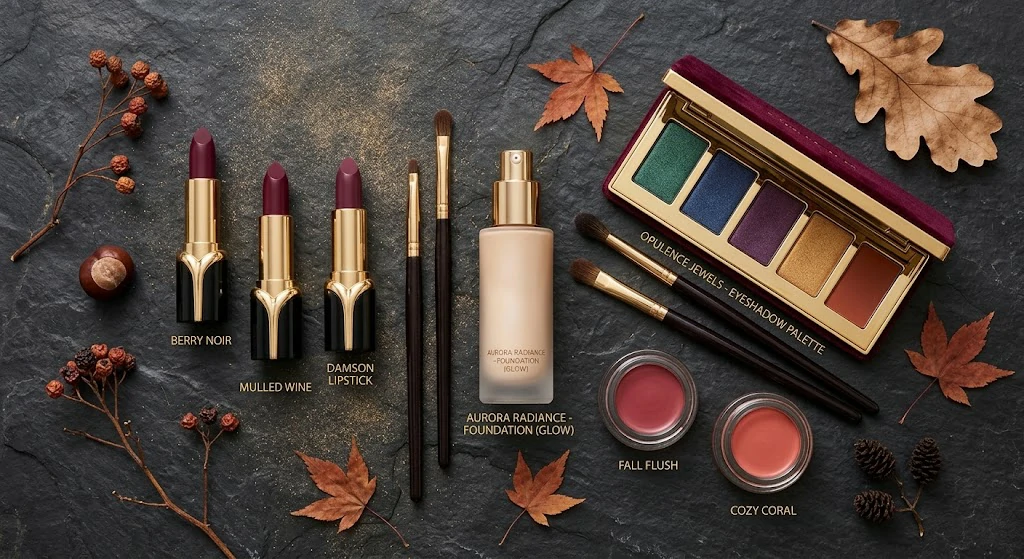
- Deep Jewel Tones: Emerald greens, sapphire blues, amethyst purples, and ruby reds are gaining traction. Achieving these vibrant, saturated hues requires high-purity synthetic organic pigments and finely milled inorganic pigments like ultramarines and chromium oxides, often encapsulated or surface-treated for enhanced color payoff and blendability.
- Cool-Toned Neutrals: Beyond traditional warm browns, a resurgence of cool greys, taupes, and muted charcoal shades offers versatility and elegance. These shades often utilize iron oxides (black, yellow, red) in specific ratios, sometimes blended with titanium dioxide for opacity or ultramarines for a subtle blue undertone, ensuring a sophisticated, non-muddy appearance.
- Earthy & Forest Shades: Deep moss greens, rich browns, and terracotta tones provide a grounding, natural yet impactful aesthetic. Formulators are exploring natural mineral pigments and carefully selected synthetic alternatives to achieve these complex, nuanced shades while adhering to clean beauty standards where applicable.
- Icy Pastels: While less dominant, subtle, frosted pastels (e.g., lavender, mint, baby blue) are emerging as accent shades, particularly for inner corner highlights or soft washes of color. These require precise pigment loading and often rely on interference pigments for their ethereal quality.
The challenge for formulators lies in ensuring color stability, minimizing fallout, and achieving consistent batch-to-batch color matching across various product formats (pressed powders, creams, liquids).
Textural Innovations: Shimmer, Metallic, and Velvety Mattes
Beyond color, texture and finish are paramount in defining winter eyeshadow trends. The market is seeing a strong demand for:
- High-Impact Metallics: From molten gold to chrome silver, metallic finishes are evolving beyond simple shimmer. This trend relies heavily on advanced pearl pigments, including synthetic fluorphlogopite, borosilicate substrates, and treated mica, often with specific particle size distributions to maximize light reflection and create a liquid-metal effect. Binder systems must be optimized to prevent flaking and ensure smooth application.
- Frosty Shimmers: A more delicate, ethereal shimmer, reminiscent of frost, is popular for creating luminous effects. These often incorporate smaller particle size interference pigments or silica-based pearls, providing a soft glow rather than an overt sparkle.
- Velvety Mattes: The demand for ultra-blendable, non-creasing matte eyeshadows remains strong. Achieving a truly velvety texture involves a careful balance of fillers (e.g., talc, sericite, silica), binders (e.g., zinc stearate, magnesium myristate), and emollients (e.g., silicones, esters). Surface treatment of pigments and fillers is crucial for enhancing slip, adhesion, and reducing a dry, chalky appearance.
- Multi-Dimensional Finishes: Hybrid textures, such as mattes with subtle micro-shimmer or duochrome effects, are gaining traction, offering unique visual interest. These formulations often combine different pigment types and finishes within a single pan, requiring sophisticated blending and pressing techniques.
Cosmetic chemists are continually innovating with novel raw materials and processing techniques to deliver these diverse and demanding textural attributes, ensuring consumer satisfaction and product differentiation.
The Rise of Performance-Driven Formulations
Modern consumers expect more than just aesthetic appeal; performance is a non-negotiable factor. Winter eyeshadow trends are heavily influenced by the demand for:
- Long-Wear & Crease-Resistance: Formulations that withstand environmental factors and maintain integrity throughout the day are highly sought after. This involves incorporating film-forming polymers (e.g., acrylates copolymer, PVP), volatile silicones (e.g., cyclopentasiloxane), and optimized binder systems that create a flexible, durable film on the eyelid.
- Intense Color Payoff: Consumers desire immediate, true-to-pan color. High pigment loading, coupled with efficient dispersion technologies and surface-treated pigments, is essential to achieve this. Wet/dry formulas also offer versatility, allowing for sheer or intense application.
- Smooth Blendability: Ease of application and seamless blending are critical for achieving professional-looking results. Ingredients like boron nitride, spherical silica, and specific esters contribute to a silky feel and effortless glide, preventing patchiness.
- Comfort & Skin Compatibility: With increasing awareness of skin health, non-irritating, ophthalmologist-tested formulas are preferred. The selection of emollients, preservatives, and binders must prioritize skin comfort, especially for the delicate eye area.
The integration of advanced cosmetic chemistry principles, from rheology modifiers to pigment dispersion techniques, is fundamental to meeting these stringent performance criteria.
Sustainability and Transparency in Eyeshadow Development
The broader beauty industry’s shift towards sustainability and transparency profoundly impacts eyeshadow development. Brands are increasingly focusing on:
- Clean & Conscious Formulations: A move away from certain parabens, phthalates, and synthetic fragrances, coupled with a preference for naturally derived ingredients where performance is not compromised. This necessitates rigorous testing and validation of alternative raw materials.
- Ethical Sourcing: Ensuring that mica, palm oil derivatives, and other raw materials are sourced ethically and sustainably, often requiring robust supply chain audits and certifications.
- Eco-Friendly Packaging: Reducing plastic waste through refillable compacts, PCR (post-consumer recycled) materials, and minimalist designs. This impacts the entire product lifecycle, from manufacturing to consumer disposal.
- Ingredient Transparency: Providing clear, accessible information about ingredients, their origin, and their function, building trust with the consumer.
Navigating these demands requires a comprehensive understanding of regulatory landscapes, sustainable chemistry, and consumer perception, presenting both challenges and opportunities for innovation.
Strategic Implications for Cosmetic Brands
For B2B entities, capitalizing on winter eyeshadow trends demands a multi-faceted approach:
- Agile Product Development: Rapid prototyping and formulation iteration are crucial to respond to fast-evolving trends. This requires strong R&D capabilities and access to a diverse portfolio of raw materials.
- Leveraging Cosmetic Chemistry Expertise: Partnering with experts in pigment technology, polymer science, and formulation optimization can unlock innovative product solutions that meet both aesthetic and performance demands.
- Supply Chain Resilience: Ensuring a stable and ethical supply of high-quality pigments, binders, and specialty ingredients is paramount, especially for unique or trending raw materials.
- Consumer Insight Integration: Continuously monitoring social media, market research, and beauty analytics to anticipate shifts in consumer preferences and translate them into marketable products.
- Regulatory Compliance: Staying abreast of global cosmetic regulations for ingredients and claims is essential for market entry and product safety.
The winter eyeshadow market offers significant growth potential for brands that can skillfully blend cutting-edge cosmetic science with an acute understanding of consumer desires and sustainability imperatives.
Bring This Insight to Market
Partner with Aurora Global Brands to transform these winter eyeshadow trends into market-leading products. Leverage our expertise in cosmetic chemistry, trend forecasting, and agile manufacturing to innovate and captivate your target audience.
Recent Post