The Evolving Canvas: Decoding Winter Face Makeup Trends for B2B Innovation
INDEX & KEY INSIGHTS
- The Winter Glow: Luminous & Hydrated Complexions
- Strategic Sculpting: Soft Contours & Diffused Dimension
- Minimalist Refinement: The Evolved ‘Clean Girl’ Aesthetic
- Cosmetic Chemistry & Formulation Imperatives for Winter Face Makeup
- Market Implications & Product Development Opportunities
As the colder months approach, the cosmetic landscape undergoes a significant transformation, driven by both aesthetic preferences and the physiological demands of winter on the skin. For B2B manufacturers and cosmetic chemists, understanding these shifts is paramount for developing innovative, market-leading products. This analysis delves into the predominant winter face makeup trends, dissecting the underlying consumer desires and the scientific formulation challenges and opportunities they present.
The Winter Glow: Luminous & Hydrated Complexions
The era of heavily matte, full-coverage foundations is steadily receding, particularly in winter. Consumers are increasingly seeking a ‘winter glow’ – a luminous, hydrated finish that mimics healthy, well-cared-for skin, rather than a masked effect. This trend is a direct response to the drying effects of cold weather and indoor heating, which can leave skin looking dull and parched. Products that deliver a dewy, radiant finish while simultaneously providing skin benefits are in high demand.
- Key Characteristics: Sheer to medium coverage, natural luminosity, non-cakey texture, and a ‘second skin’ feel.
- Product Focus: Serum foundations, tinted moisturizers, hydrating primers, liquid highlighters, and cream blushes.
- Consumer Expectation: Makeup that not only beautifies but also protects and nourishes the skin, preventing dryness and enhancing natural radiance.
Strategic Sculpting: Soft Contours & Diffused Dimension
The harsh, angular contouring of previous seasons has given way to a softer, more diffused approach. Winter face makeup now emphasizes strategic sculpting that enhances natural bone structure with subtlety. This trend favors cream and liquid formulations that blend seamlessly into the skin, creating a natural shadow and lift without visible lines or heavy application.
- Key Characteristics: Blended, natural-looking definition; use of cool-toned browns for contour and warm, muted tones for blush.
- Product Focus: Cream contour sticks, liquid bronzers, multi-use cream palettes, and blush draping techniques.
- Consumer Expectation: Products that are easy to blend, buildable, and provide a natural, healthy flush that complements the skin’s natural undertones.
Minimalist Refinement: The Evolved ‘Clean Girl’ Aesthetic
The ‘clean girl’ aesthetic continues to evolve, focusing on minimalist refinement rather than a completely bare face. This trend prioritizes a perfected, yet natural-looking, complexion achieved through targeted product application. It’s about enhancing one’s best features with lightweight formulas that allow the skin’s natural texture to show through, rather than covering it completely.
- Key Characteristics: Flawless but not ‘made-up’ skin, targeted concealing, subtle brightening, and a focus on skin health.
- Product Focus: Lightweight concealers, skin tints, brightening powders, and multi-functional balms.
- Consumer Expectation: Products that offer buildable coverage, a natural finish, and contribute to the overall health and appearance of the skin over time.
Cosmetic Chemistry & Formulation Imperatives for Winter Face Makeup
Meeting these aesthetic demands requires sophisticated cosmetic chemistry. Formulators must balance efficacy, sensory experience, and skin health benefits.
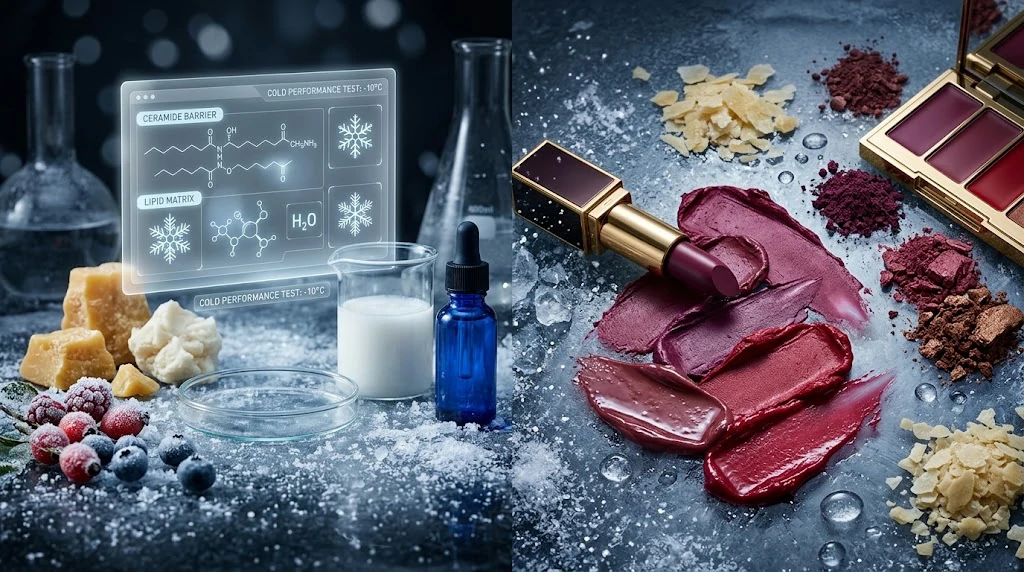
- Hydration-Boosting Technologies: The cornerstone of winter makeup. Formulations must incorporate potent humectants (e.g., hyaluronic acid, glycerin, urea, sodium PCA), emollients (e.g., squalane, ceramides, plant oils like jojoba or argan), and occlusives (e.g., shea butter, petrolatum alternatives) to create a protective barrier and prevent transepidermal water loss. Emulsion stability, particularly for water-in-oil or water-in-silicone systems, is critical for rich, nourishing textures.
- Non-Comedogenic & Breathable Film Formers: To achieve a ‘second skin’ feel without clogging pores, formulators are exploring advanced film-forming polymers. These can include natural gums (e.g., acacia, xanthan), bio-polymers, or optimized silicone elastomers that provide longevity and transfer-resistance while maintaining breathability.
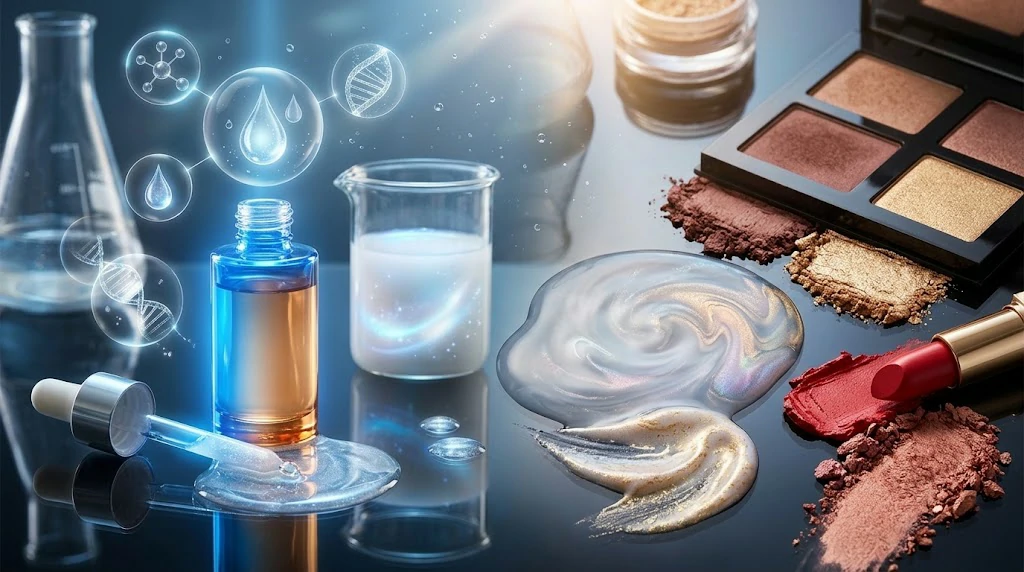
- Optimized Pigment Dispersion & Sensory: Achieving sheer yet effective coverage with a luminous finish requires micronized pigments and advanced dispersion techniques. Pigments must be uniformly distributed within a lightweight, non-tacky base that glides smoothly. The rheology of the product is crucial for a luxurious feel and seamless blendability, often achieved through a careful balance of emollients, thickeners, and sensory modifiers.
- Skincare Actives Integration: The demand for hybrid products means incorporating active ingredients directly into face makeup. Niacinamide for barrier support, Vitamin C derivatives for brightening, peptides for anti-aging, and antioxidants for environmental protection are increasingly common. Challenges include maintaining the stability and efficacy of these actives within a makeup matrix, as well as ensuring compatibility with pigments and other cosmetic ingredients.
- Longevity & Transfer-Resistance: Despite the desire for natural finishes, consumers still expect their makeup to last. This necessitates the use of long-wear polymers, volatile carriers (e.g., isododecane, cyclomethicone alternatives), and pigment-coating technologies that enhance adhesion and minimize transfer, especially important when wearing scarves or masks.
Market Implications & Product Development Opportunities
These trends present significant opportunities for B2B cosmetic manufacturers:
- Hybrid Formulations: Develop foundations, primers, and concealers that blur the lines between skincare and makeup. Think serum foundations with SPF and anti-pollution benefits, or tinted moisturizers packed with ceramides and hyaluronic acid.
- Sustainable & ‘Clean’ Ingredients: Prioritize natural-derived, ethically sourced, and biodegradable ingredients. Formulate products free from parabens, phthalates, and certain silicones, aligning with the growing clean beauty movement.
- Inclusive Shade Ranges: Continue to expand and refine shade ranges, ensuring diverse skin tones and undertones are accurately represented with nuanced formulations that adapt to varying complexions.
- Customization & Personalization: Explore technologies that allow for personalized shade matching or ingredient boosting, offering consumers a tailored product experience.
Conclusion: Innovating for the Future of Winter Face Makeup
The winter face makeup landscape is characterized by a sophisticated blend of aesthetic desire and physiological necessity. Consumers are seeking products that not only enhance their appearance but also nurture their skin, providing hydration, protection, and a natural, luminous finish. For B2B cosmetic manufacturers, this translates into a clear mandate: innovate with advanced cosmetic chemistry, prioritize skin health, embrace hybrid formulations, and commit to sustainable and inclusive practices. By understanding these intricate demands, the industry can develop the next generation of winter face makeup products that truly resonate with the modern consumer.
Manufacture with Aurora Global Brands
Recent Post