
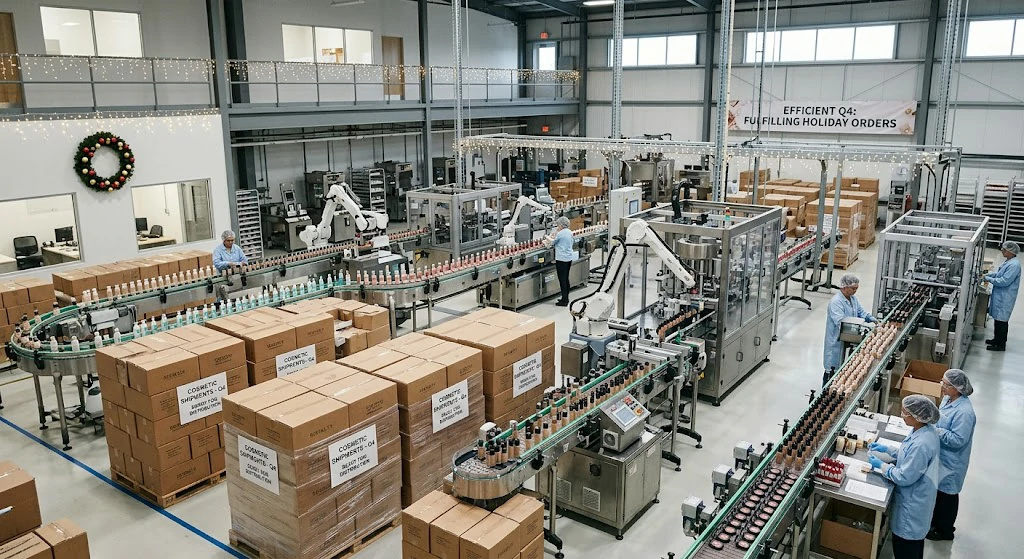
Launching a successful beauty brand in 2026 requires more than just a good aesthetic; it demands a calculated balance between supply chain agility and product differentiation. For salon owners and independent entrepreneurs, the most efficient path to market is leveraging Private Label manufacturing to minimize initial capital expenditure while securing professional-grade formulations.
Before contacting a manufacturer, you must have a clear understanding of your position in the market. The "one-size-fits-all" approach is obsolete. Successful modern brands target specific micro-niches, such as "clean clinical skincare" or "inclusive high-pigment makeup."
Ask yourself these critical questions:
Understanding Minimum Order Quantities (MOQ) is the single most important factor in your initial business plan. It dictates your cash flow and storage requirements.
Private Label (Low MOQ): This model utilizes pre-existing formulas in standard packaging. It allows you to launch with as few as 50–100 units per SKU. This is ideal for testing the market with minimal risk.
OEM/ODM (High MOQ): This involves creating a custom formula from scratch. While it offers total exclusivity, it typically requires MOQs of 3,000 to 10,000 units and a development timeline of 4–6 months.
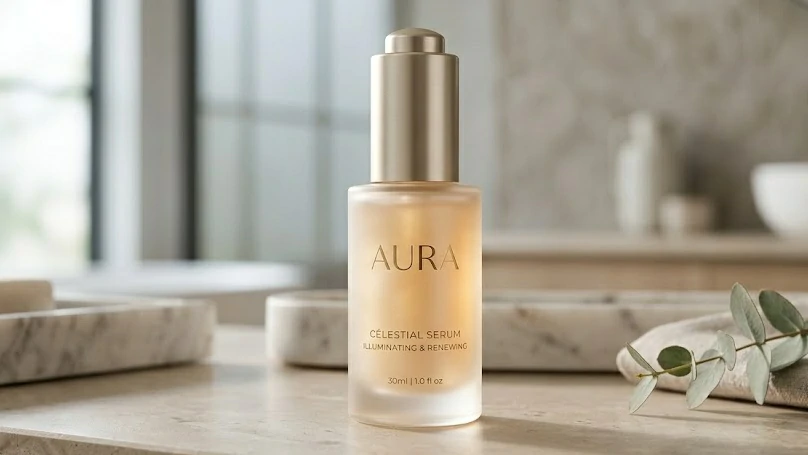
We recommend starting with a "Private Label Plus" approach. Use proven stock formulas but invest in high-quality secondary packaging (boxes) and custom design to elevate the perceived value without the high manufacturing costs.
Time-to-market is a competitive advantage. Working with a professional partner like Aurora Global Brands ensures you adhere to a realistic schedule.
| Stage | Private Label Duration | Custom OEM Duration |
|---|---|---|
| Sample Evaluation | 1 - 2 Weeks | 4 - 8 Weeks |
| Packaging Design | 1 Week | 4 - 6 Weeks |
| Production & Filling | 2 - 3 Weeks | 6 - 10 Weeks |
| Quality Control & Shipping | 1 Week | 2 - 3 Weeks |
| Total Time to Launch | ~ 5 - 7 Weeks | ~ 4 - 6 Months |
Even for small batches, compliance cannot be overlooked. Your manufacturing partner must provide the necessary documentation to ensure your products are legal for sale in your target region (EU, UK, or USA).
Once production is underway, your focus must shift to sales channels. In 2026, a hybrid approach often works best.
Building a Shopify or WordPress site allows you to own customer data and maximize margins. Use content marketing to educate consumers on the benefits of your specific ingredients.
For salon owners, retailing your private label line in-store provides a double benefit: it increases ticket size per visit and builds client loyalty to your specific brand, preventing them from buying generic alternatives elsewhere.
The barrier to entry for the cosmetics industry has never been lower, but the standard for quality has never been higher. By choosing a partner like Aurora Global Brands, you gain access to industrial-grade manufacturing capabilities that allow you to start small but scale rapidly. The roadmap to success is built on strategic planning, high-performance products, and a clear brand vision.
We use cookies to keep our website working, understand how visitors use it, and measure advertising performance. You can accept cookies or update your privacy choices at any time.