The Science of Winter Lip Makeup: Formulating for Protection, Performance, and Pigment in Cold Climates
INDEX & KEY INSIGHTS
- Understanding Winter’s Impact: Lips are uniquely vulnerable to cold, wind, and low humidity, necessitating specialized formulations.
- Ingredient Imperatives: A blend of humectants, emollients, and occlusives is crucial for effective winter lip care and color.
- Hybrid Product Dominance: The market demands multi-functional lip products that offer both intense hydration and vibrant, long-lasting color.
- Advanced Formulation Technologies: Innovations in film-forming polymers, encapsulated actives, and non-drying matte textures are key differentiators.
- Strategic Color Trends: Deep, rich hues, alongside sophisticated nudes and festive metallics, define winter’s aesthetic.
- Sustainability & Clean Beauty: Consumer demand for ethically sourced, plant-derived ingredients continues to shape product development.
The Unique Challenges of Winter Lips: A Scientific Perspective
The transition to colder months presents distinct physiological challenges for the delicate skin of the lips. Unlike other areas of the face, lips lack sebaceous glands, making them inherently more susceptible to dryness, chapping, and environmental damage. Reduced humidity, biting winds, and indoor heating systems collectively deplete the stratum corneum’s natural moisture barrier, leading to transepidermal water loss (TEWL). For cosmetic formulators, this necessitates a strategic approach that prioritizes robust barrier protection, intense hydration, and soothing properties, all while delivering desired aesthetic attributes like color and texture.
Market analysis consistently shows an increased consumer focus on lip care during winter. Data indicates a significant uptick in searches and sales for hydrating lip balms, masks, and treatments as temperatures drop. Brands that successfully integrate advanced dermatological science with cosmetic appeal are best positioned to capture this seasonal demand.
Core Ingredients for Winter Lip Resilience: A Cosmetic Chemistry Deep Dive
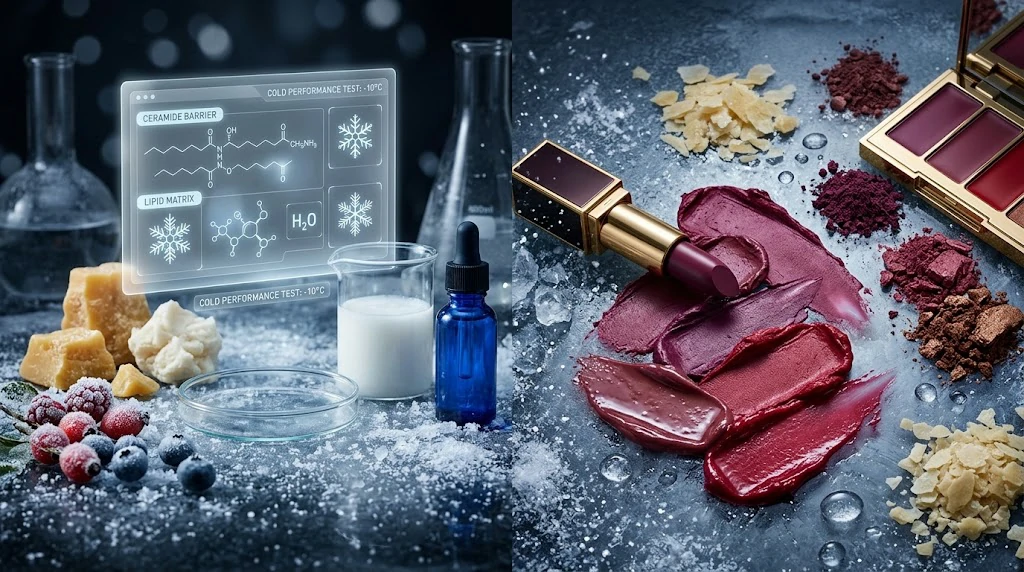
Effective winter lip formulations rely on a synergistic blend of active ingredients, each playing a critical role in restoring and maintaining lip health:
- Humectants: These ingredients attract and bind water from the environment and deeper skin layers. Key examples include Hyaluronic Acid (various molecular weights for multi-level hydration), Glycerin, and Sodium PCA. Their role is to plump and hydrate, reducing the appearance of fine lines caused by dryness.
- Emollients: Designed to smooth and soften the skin, emollients fill the gaps between corneocytes, improving texture and flexibility. Common choices include Squalane, Jojoba Oil, Shea Butter, Cocoa Butter, and various plant-derived esters. These also contribute to a comfortable, non-greasy feel.
- Occlusives: Forming a protective barrier on the lip surface, occlusives prevent TEWL and shield against external aggressors. Petrolatum, Lanolin, Beeswax, Candelilla Wax, and Dimethicone are highly effective. Modern formulations often seek plant-based alternatives like Carnauba Wax or specific botanical oils with high wax ester content to meet clean beauty demands.
- Soothing & Repairing Agents: Ingredients like Bisabolol, Allantoin, Panthenol (Pro-Vitamin B5), and Vitamin E (Tocopherol) offer anti-inflammatory and antioxidant benefits, aiding in the repair of chapped or irritated lips and protecting against free radical damage.
- SPF Protection: While often overlooked in winter, UV radiation remains a threat, especially with snow reflection. Incorporating broad-spectrum SPF (e.g., Zinc Oxide, Titanium Dioxide) is a crucial differentiator for comprehensive winter lip protection.
Formulation Innovations: Beyond Basic Balms
The winter lip makeup landscape is evolving beyond traditional lipsticks and balms, driven by consumer demand for multi-functional, high-performance products. Key innovation areas include:
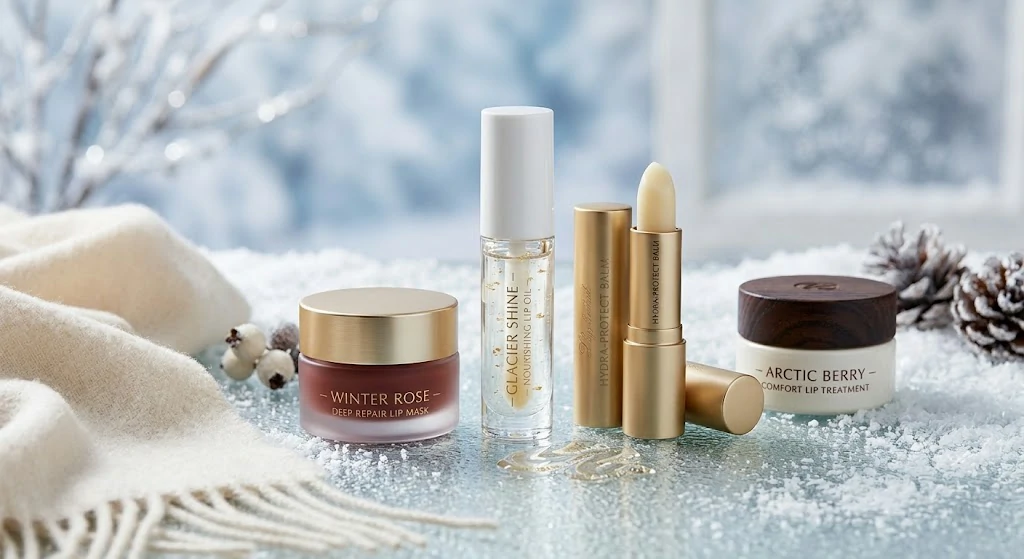
- Hybrid Lip Products: The convergence of skincare and makeup is paramount. Tinted lip balms, hydrating lip oils, and serum-infused lipsticks offer both intense nourishment and buildable color. These formulations often feature encapsulated pigments or oil-soluble dyes that disperse evenly while maintaining a comfortable, non-drying wear.
- Non-Drying Matte Textures: Historically, matte lipsticks were synonymous with dryness. New polymer technologies, such as silicone elastomers and film-forming agents, combined with a higher concentration of emollients and humectants, allow for velvety matte finishes that remain comfortable and flexible on the lips, preventing cracking and flaking.
- Long-Wear with Comfort: Achieving extended wear without compromising hydration is a significant challenge. Innovations include advanced film-forming polymers that create a flexible, breathable barrier, and pigment dispersion technologies that ensure uniform color adherence without stripping moisture.
- Overnight Lip Treatments: The rise of dedicated overnight lip masks and serums reflects a consumer desire for intensive repair. These products typically feature higher concentrations of occlusives, ceramides, and peptides to support barrier repair and regeneration during sleep.
- Exfoliating Lip Preparations: Gentle lip scrubs, often sugar-based or enzyme-based, are formulated to remove dry, flaky skin, preparing lips for better absorption of hydrating treatments and smoother application of color. These must be carefully balanced to avoid irritation.
Winter Lip Color Trends & Market Dynamics
While functionality is critical, color remains a powerful driver of consumer choice. Winter color palettes typically gravitate towards richer, deeper, and more sophisticated shades:
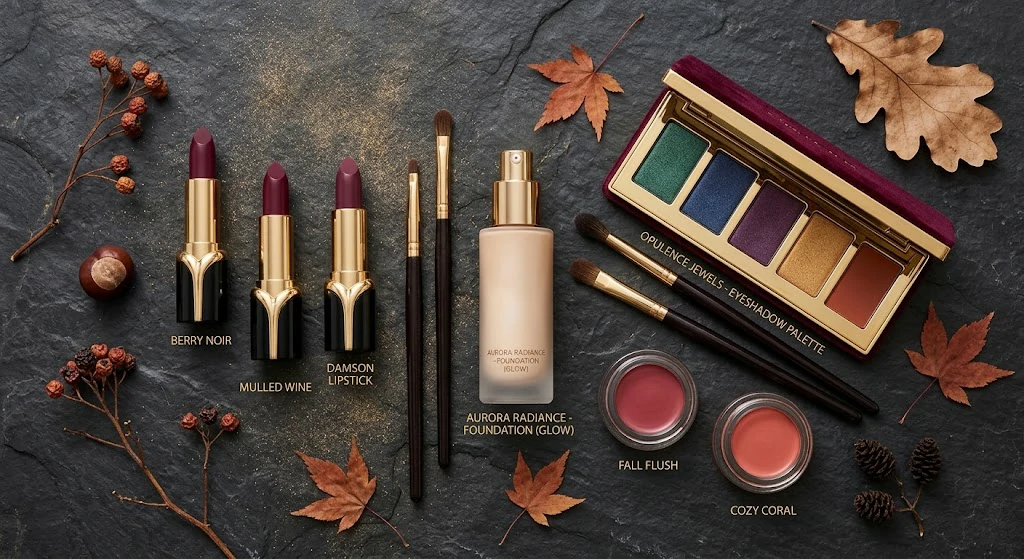
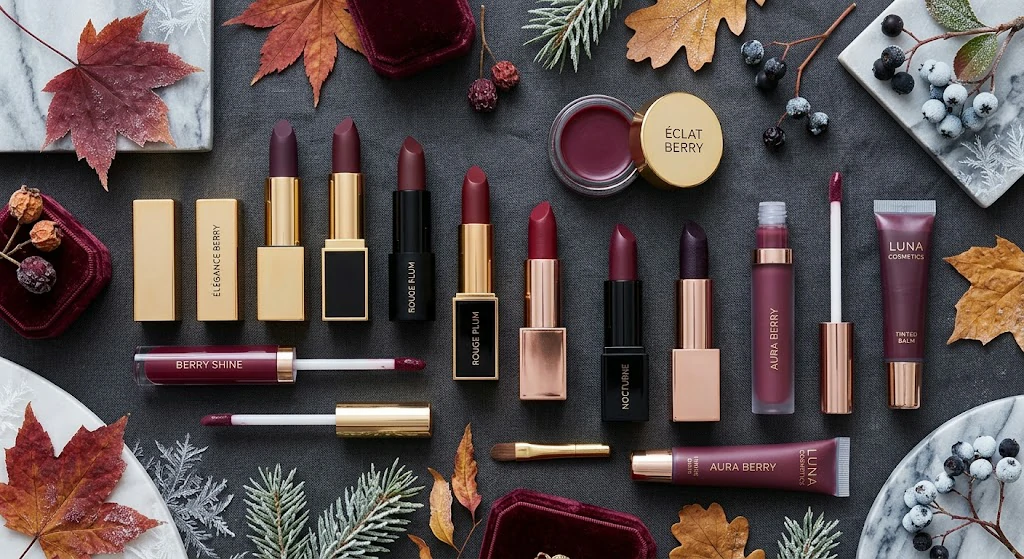
- Deep Berries & Plums: Burgundy, wine, and deep plum tones continue to be perennial favorites, offering a sense of elegance and warmth. These shades often feature cool undertones that complement winter complexions.
- Classic Reds: From true ruby reds to deeper brick and oxblood shades, red lipsticks remain a timeless statement, particularly for festive occasions. Formulations must ensure high pigment load and even application.
- Sophisticated Nudes: Warmer, deeper nude shades with hints of peach, rose, or brown are preferred over cooler, paler nudes, which can appear washed out in winter light.
- Metallic & Shimmer Finishes: For holiday seasons and special events, metallic or high-shimmer finishes in gold, bronze, or iridescent berry tones add a festive touch. These often require specialized pearl pigments and binders to ensure smooth application and longevity.
- High-Shine Glosses: While often associated with summer, high-shine, non-sticky glosses formulated with nourishing oils and emollients provide a luxurious, plumping effect that is highly sought after in winter.
Market data indicates a growing preference for customizable and buildable color options, allowing consumers to transition from a sheer tint to a bolder statement with a single product. This aligns with the hybrid product trend, emphasizing versatility and value.
The Future of Winter Lip Formulations: Sustainability and Efficacy
The cosmetic industry’s broader shift towards sustainability and clean beauty profoundly impacts winter lip product development. Brands are increasingly seeking:
- Plant-Derived Alternatives: Replacing petroleum-derived ingredients with sustainable botanical waxes (e.g., Sunflower Seed Wax, Rice Bran Wax), plant oils, and butters (e.g., Mango Butter, Kokum Butter) that offer similar occlusive and emollient properties.
- Ethical Sourcing: Transparency in the supply chain for ingredients like shea butter, cocoa butter, and beeswax is becoming a non-negotiable. Certifications for fair trade and sustainable harvesting are increasingly important.
- Minimalist Formulations: A trend towards “less is more,” focusing on potent, multi-functional ingredients to reduce ingredient lists while maximizing efficacy and consumer trust.
- Biodegradable & Eco-Friendly Packaging: Beyond the formula, the packaging for lip products is also under scrutiny, with a move towards PCR (post-consumer recycled) plastics, refillable systems, and innovative materials.
The convergence of advanced cosmetic chemistry, consumer-centric design, and a commitment to sustainability will define the next generation of winter lip makeup. Formulators must balance the imperative for robust protection and hydration with the desire for vibrant color and luxurious textures, all within an ethical and environmentally conscious framework.
Manufacture with Aurora Global Brands
Recent Post