The “Skinification” of Beauty: Merging Skincare with Makeup
The skinification of makeup is the formulation practice of infusing color cosmetic products with biologically active ingredients traditionally reserved for skincare. This trend transforms makeup from a purely aesthetic category into functional hybrid products that improve the appearance of skin health over time while providing immediate coverage or color.
For cosmetic manufacturers and private label brands, this shift requires a move away from occlusion-based formulas toward breathable, active-rich bases. Brand owners must now prioritize ingredient stability, bioavailability, and regulatory compliance alongside pigment load and wear time.
What is the Skinification of Makeup?
In the current US and European markets, consumers increasingly view makeup as an extension of their skincare routine rather than a separate step. This demand has created a new category often referred to as “hybrid cosmetics.”
Key Characteristics of Skinified Makeup:
Active Ingredients: Formulas contain functional levels of actives like niacinamide, hyaluronic acid, or squalane.
Breathable Textures: A shift from heavy silicones to lighter, serum-like textures.
Dual Function: Products must clinically demonstrate skincare benefits (e.g., hydration, brightening) alongside makeup performance.
Market Drivers in the US and Europe
Efficiency: Consumers prefer multi-functional products that reduce routine steps.
Post-Pandemic Habits: A continued preference for “clean look” aesthetics and skin health over heavy coverage.
Ingredient Literacy: Educated consumers now read INCI lists on foundation bottles as closely as they do on serums.
Key Active Ingredients in Hybrid Formulations
To successfully execute the skinification of makeup, manufacturers must select ingredients that remain stable when mixed with pigments and texturizers.
1. Hydrators and Barrier Support
These ingredients are easiest to integrate into liquid foundations, tinted moisturizers, and cream blushes.
Hyaluronic Acid (HA): Provides immediate humectant properties. In makeup, varied molecular weights are used to prevent the formula from drawing moisture out of the skin.
Squalane: A biomimetic emollient that provides slip and hydration without the heavy feel of traditional oils. It improves the spreadability of pigments.
Ceramides: Essential for barrier repair claims. They are increasingly common in concealers and foundations intended for sensitive skin.
2. Brighteners and Antioxidants
These require careful stabilization to prevent oxidation (color changing) of the makeup product.
Niacinamide (Vitamin B3): Highly stable and compatible with most pigments. It targets oil control and texture refinement, making it ideal for primers and foundations.
Vitamin C Derivatives: Pure L-Ascorbic Acid is unstable in makeup. Manufacturers prefer stable derivatives like Tetrahexyldecyl Ascorbate (THD) for brightening claims in concealers.
Tocopherol (Vitamin E): Acts as both a skin conditioner and a preservative booster to prevent oil rancidity in the formula.
3. Botanical Extracts
Centella Asiatica (Cica): Popular in color correctors (green tints) to soothe redness while neutralizing color.
Bakuchiol: A plant-based alternative to Retinol, often used in tinted serums for “anti-aging” marketing without the irritation potential of Retinol.
Manufacturing Challenges and Solutions
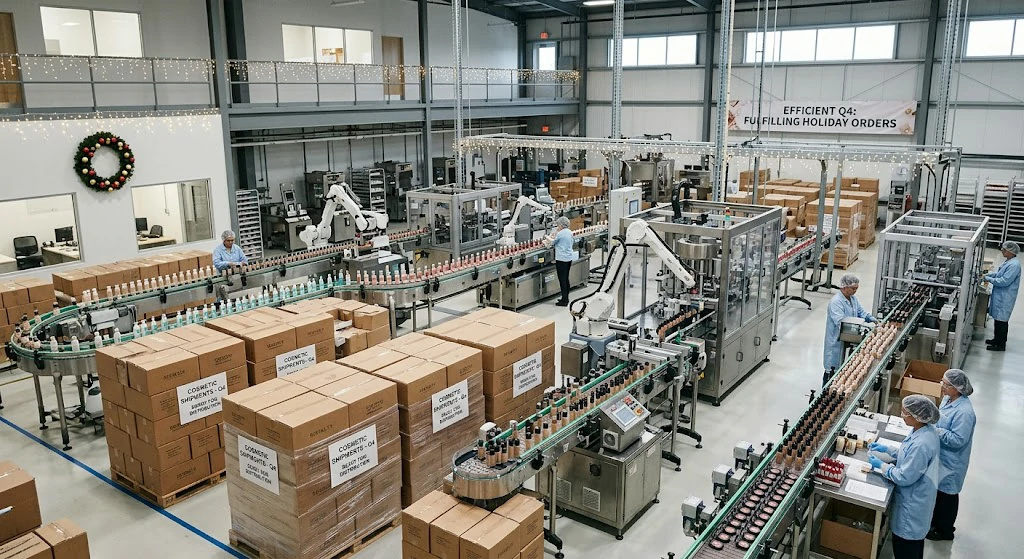
Developing products for the skinification of makeup presents specific technical challenges for OEM/ODM manufacturers.
Stability and Oxidation
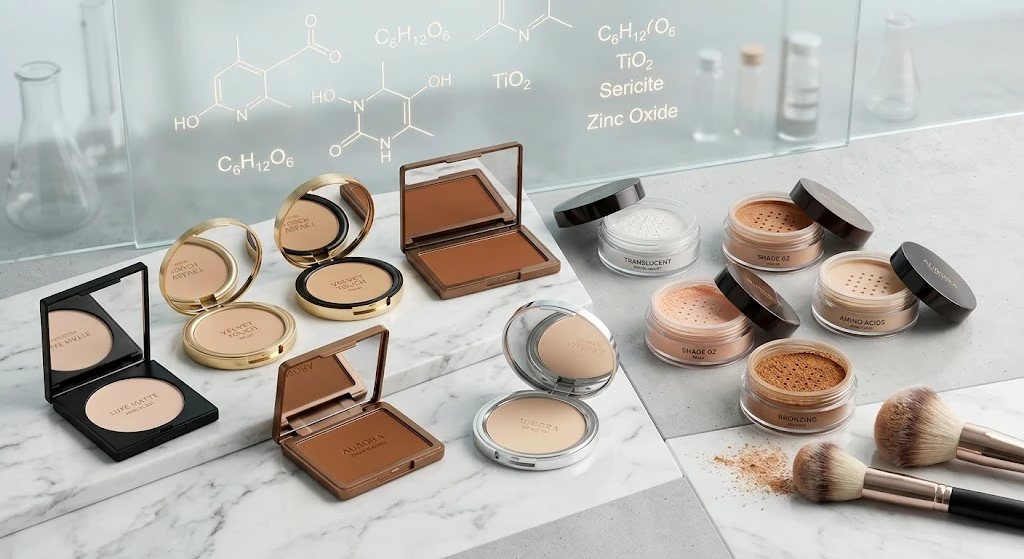
Active ingredients can react with iron oxides (pigments), leading to color shifting or formula separation.
Solution: Use coated pigments that do not react directly with the active base.
Solution: Encapsulation technology can keep actives separate from pigments until application.
Preservative Systems
Skincare ingredients often provide a food source for bacteria, requiring robust preservation systems compared to anhydrous (water-free) makeup.
Solution: rigorous challenge testing (PET) is mandatory to ensure the preservative system holds up in water-heavy serum foundations.
Packaging Requirements
Air exposure degrades many skincare actives.
Solution: Shift from open jars or dropper bottles to airless pump components. This protects the formula’s efficacy and ensures the skinification of makeup claims remain valid throughout the product’s shelf life.
Popular Hybrid Product Categories
For private label clients, the following categories currently show the highest demand in Western markets:
Serum Foundations: Low viscosity, high spreadability formulas containing oils and humectants.
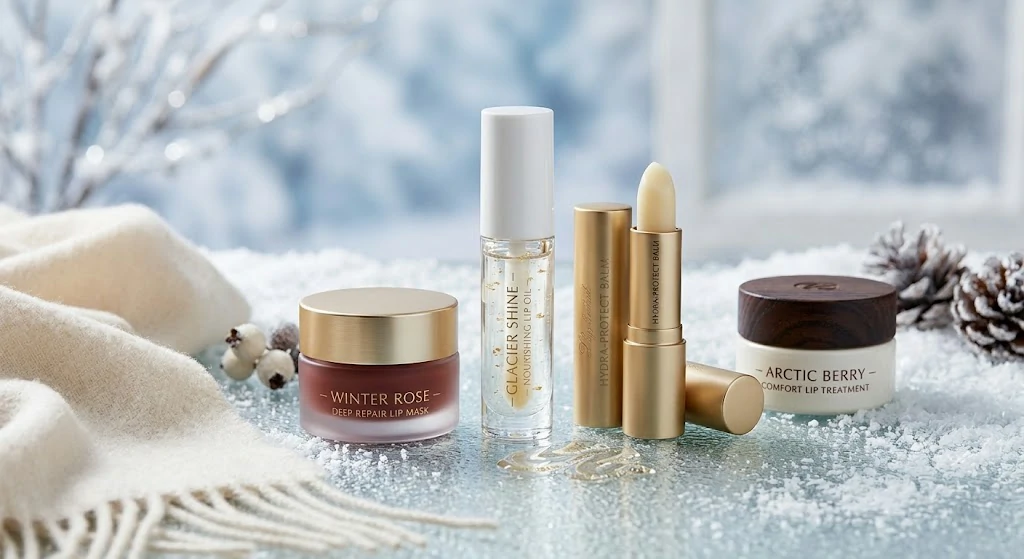
Treatment Lip Oils: Replacing traditional glosses; formulated with Jojoba oil, peptides, and Vitamin E.
Conditioning Mascaras: Infused with panthenol (Vitamin B5) or biotin to condition lashes while coating them.
SPF Tints: The most common form of hybrid product, combining sun protection with sheer coverage.
Regulatory Considerations: US vs. EU
The regulatory landscape is critical when marketing products that claim to alter the skin.
United States (FDA)
In the US, products that claim to change the structure or function of the skin (e.g., “treats acne,” “prevents sunburn”) are classified as Drugs (OTC), not cosmetics.
SPF Compliance: If a foundation claims SPF protection, it must comply with OTC drug monographs, including strict testing and facility registration.
Structure/Function Claims: Avoid claims like “stimulates collagen.” Use appearance-based claims like “improves the look of firmness.”
European Union (EU)
The EU definition of a cosmetic is broader, but claims must be substantiated.
Efficacy Testing: If a product claims “24-hour hydration,” the brand must hold clinical data supporting that specific claim.
Borderline Products: Products with significant physiological effects may be scrutinized to ensure they are not medicinal.
Conclusion
The skinification of makeup is not a passing trend but a fundamental shift in cosmetic formulation. For brand owners, success lies in selecting stable, proven ingredients like Niacinamide and Squalane, utilizing airless packaging, and strictly adhering to regional regulations regarding drug vs. cosmetic claims. By prioritizing efficacy alongside aesthetics, brands can capture the growing market of health-conscious beauty consumers.
Frequently Asked Questions (FAQs)
Q1: Does adding skincare ingredients to makeup significantly increase manufacturing costs? Yes, generally. Active ingredients (like peptides or specialized hyaluronic acid) are more expensive than standard fillers and silicones. Additionally, stability testing for hybrid formulas is often more rigorous and time-consuming, increasing the upfront R&D investment.
Q2: Can I claim my makeup product has “anti-aging” benefits? In the US and EU, you must be careful. You can claim the product “improves the appearance of fine lines” (cosmetic claim). However, claiming it “reverses aging” or “stimulates collagen production” may classify the product as a drug, requiring distinct regulatory approval. Always verify claims with a regulatory legal expert.
Q3: What is the best packaging for skinified makeup? Airless pumps are the industry standard for hybrid cosmetics. They prevent oxidation of sensitive ingredients (like Vitamin C) and minimize bacterial contamination, which is crucial for water-based formulas rich in active nutrients.
Q4: Which ingredient is most stable for makeup formulations? Niacinamide and Squalane are widely considered two of the most stable and compatible ingredients for color cosmetics. They provide tangible skin benefits (barrier support and hydration) without significantly altering the color stability of iron oxides.
Recent Post