Samples ship in 3 business days · UPS DDP, duties included3,800+ sample orders shipped to 59 countriesPrivate label from 11 pcs per SKU (makeup) · 12 pcs (skincare)GMPC · ISO 22716 · Made to FDA & EU rules

Breaking Down the Real Costs of Starting Your Own Cosmetics Brand: What to Expect

What Are the Real Costs of Starting Your Own Cosmetics Brand? 💡

Starting your own cosmetics brand involves a mix of clear, upfront expenses and less obvious, hidden costs. While product development and packaging are often top of mind, factors like regulatory compliance, branding, and logistics can significantly impact your total investment.

Here’s a breakdown of both explicit 💵 and hidden 🕵️‍♀️ costs you should be aware of before launching your private label cosmetics business.

1. Explicit Costs: What You Can See and Budget For

These are the direct, easily quantifiable expenses every aspiring cosmetics brand will encounter:

Product Development and Manufacturing

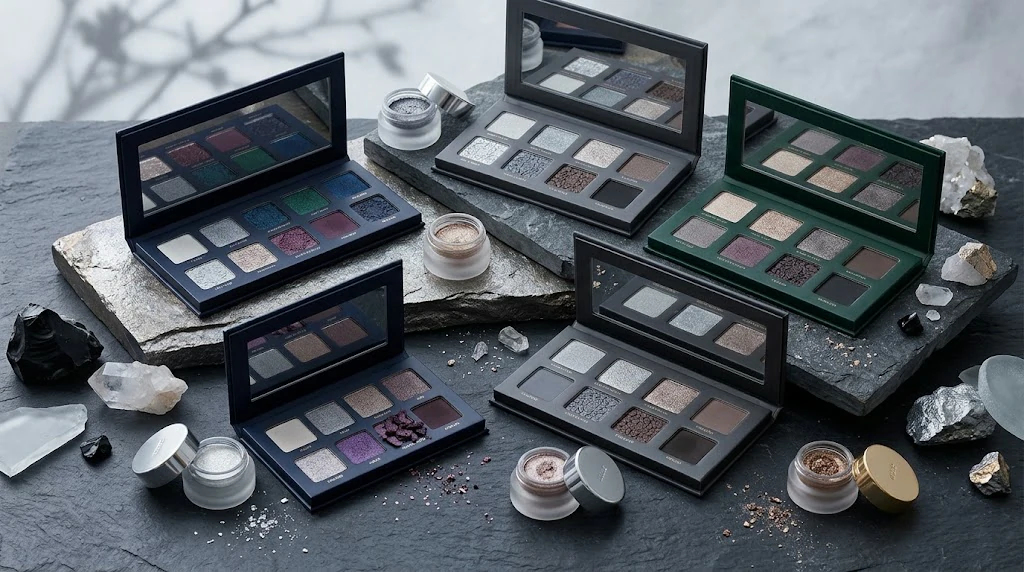
  • Private Labeling Costs: Opting for white label products—like those offered by Aurora Global Brands—allows for lower MOQs and faster market entry.

  • Custom Formulation: Fully customized products involve R&D, stability testing, and higher MOQs, all of which drive up costs.

Packaging and Design

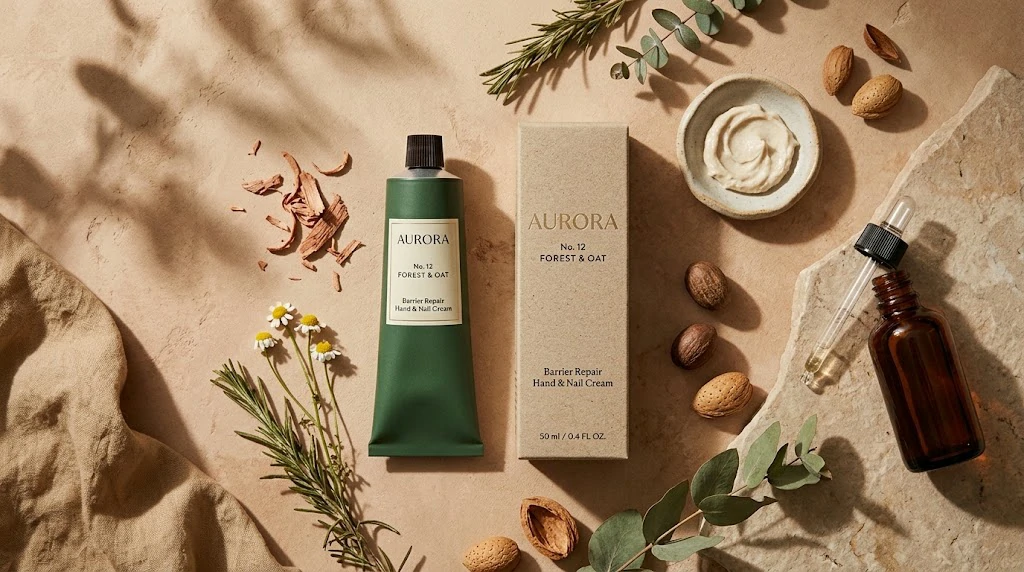
  • Includes bottles, jars, boxes, labels, and inserts.

  • Custom packaging and branding design may require hiring professionals or agencies.

Regulatory Compliance

  • Certifications (e.g., FDA, EU Cosmetics Regulation) and testing (e.g., microbial, heavy metals) are mandatory in many regions.

  • These are crucial if you plan to sell in the U.S., EU, or other regulated markets. See more on this from the FDA’s guidelines.

Branding and Marketing

  • Logo design, brand identity, website creation, and professional photography.

  • Launch marketing costs, including social media ads and influencer collaborations.

Logistics and Warehousing

  • Storage fees, shipping (including international freight), customs, and duties.

  • Consider partnering with a fulfillment center or third-party logistics provider.


2. Hidden Costs: The Invisible Budget Drains

These are often overlooked but can greatly affect profitability and sustainability:

Time Investment

  • Developing a strong product line, even with private label options, takes months of sampling, testing, and refining.

  • Time spent on marketing, customer service, and inventory management is substantial.

Minimum Order Quantities (MOQs)

  • MOQs can tie up a large portion of your capital, especially when scaling multiple product types such as false nails, makeup brushes, and eyelashes.

Quality Control and Returns

  • Hidden costs from product defects, packaging inconsistencies, or customer returns can erode margins.

  • Investing in a manufacturer with a strong quality assurance program can mitigate this risk.

Customer Acquisition Costs

  • Beyond ad spend, building trust and converting browsers into buyers takes ongoing effort.

  • Utilize data from platforms like Statista to understand consumer behavior and adjust your strategy accordingly.


3. Beyond Makeup: Expanding Your Product Line Wisely

If you already have a skincare business, diversifying into complementary products like toner, serum, lotion, and cream can provide cross-selling opportunities. However, each category brings its own compliance standards, packaging needs, and market expectations.


Conclusion

Starting a cosmetics brand isn’t just about the product—it’s a strategic investment in branding, compliance, logistics, and customer experience. By understanding both the visible and hidden costs, entrepreneurs can build a sustainable and profitable beauty business.

Ready to explore private label cosmetics with a reliable manufacturing partner? Reach out to Aurora Global Brands to get started.

Recent Post

We will reply back within 24 hours.