Private Label Beauty: Skincare vs. Makeup vs. Hair Care

✅ Quick Answer:

If you’re launching a startup in the beauty industry, start with private label makeup if you’re seeking a fast launch and lower minimum order quantities. Choose hair care if you’re targeting a niche with strong repeat purchase potential. Skincare is competitive and often demands higher regulatory compliance and investment—best for startups with clinical positioning or derm-backed branding.

Below, we break down the decision in detail based on product type, market demand, budget, branding potential, and startup challenges.

1. Understanding the Basics of Private Labeling

Private label cosmetics allow you to sell pre-formulated products under your own brand. Manufacturers offer existing product lines—such as lipsticks, shampoos, or serums—and you customize the packaging and labeling. It’s a cost-effective and efficient entry into the beauty industry, ideal for entrepreneurs who want to avoid the complexities of product development.

💡 Recommended Reading: Forbes on Why Private Label Beauty Brands Are Booming

2. Private Label Makeup: Best for Fast Movers and Budget-Conscious Brands

Pros:

  • Low minimum order quantity (MOQ)

  • Faster time-to-market

  • High trend adaptability

  • Visually appealing for social media

Cons:

  • High competition

  • Trend cycles are short

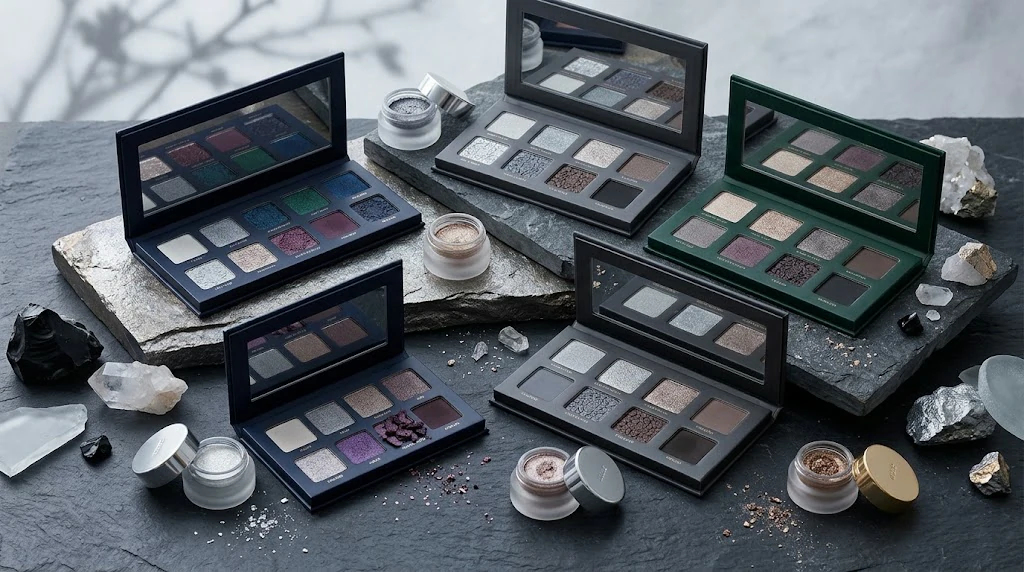
Makeup products like lip gloss, foundation, and eyeshadow are ideal for influencers, beauty enthusiasts, and trend-focused startups. Because makeup is about visual aesthetics and experimentation, it’s easier to brand creatively and promote through platforms like TikTok and Instagram.

📈 Keywords: private label makeup, low MOQ cosmetics, fast beauty launch

📘 Additional Source: Statista’s Makeup Industry Insights

3. Private Label Hair Care: A Steady Performer with Niche Potential

Pros:

  • Strong customer loyalty for effective products

  • Repeat purchases drive lifetime value

  • Niche categories (e.g., curly hair, scalp health) can create strong brand identities

Cons:

  • Requires good understanding of hair types and concerns

  • Packaging and scent preferences vary by region

Hair care products such as shampoo, conditioner, and leave-in treatments often see repeat purchases if they deliver visible results. This segment suits brands that want to build long-term customer relationships and focus on performance over trendiness.

📈 Keywords: private label hair care, niche beauty brand, shampoo manufacturer

🔗 Trusted Source: Allure Report on Hair Care Trends

4. Private Label Skincare: High Reward, High Regulation

Pros:

  • Higher margins for effective or science-backed formulas

  • Fast-growing consumer interest in clean and clinical skincare

  • Strong positioning potential with derm-approved branding

Cons:

  • Requires greater regulatory awareness

  • Longer testing and formulation cycles

  • More expensive to build consumer trust

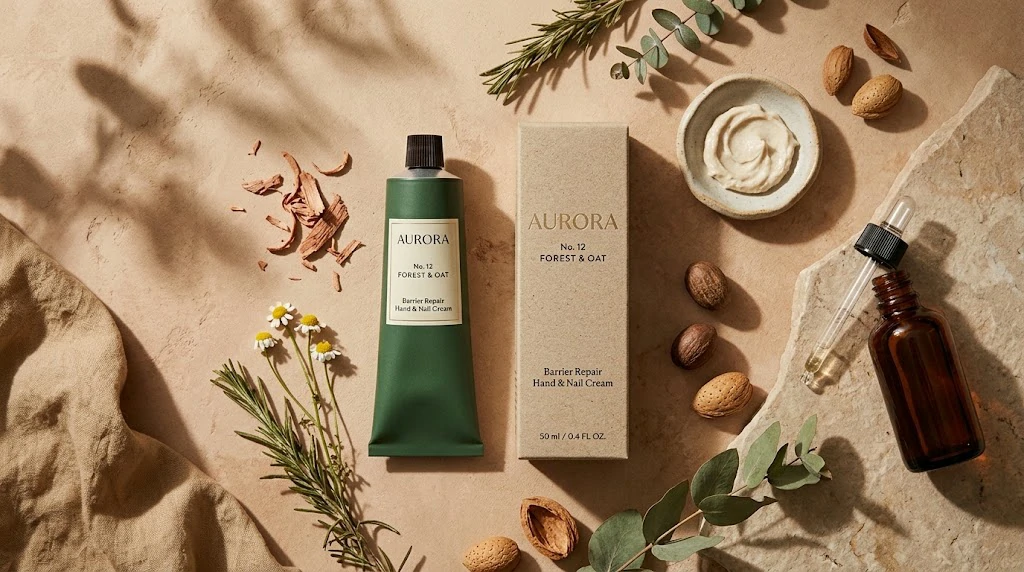
Private label skincare can elevate your brand image—but it’s not a light lift. Products like serums, moisturizers, and eye creams need to pass stricter regulations depending on your market (especially in the EU and US). It’s best suited for startups that want to build a premium or science-first brand.

📈 Keywords: private label skincare, skincare startup, clean beauty products

5. Key Factors to Help You Decide

FactorBest Option
Small budget & fast launchMakeup
Long-term customer retentionHair Care
Premium positioning & clinical brandingSkincare
Trend-based marketing & influencer collabsMakeup
Niche product expertiseHair Care

✨Final Thoughts

As a startup, your product category choice should align with:

  • Your budget

  • Your marketing strengths (visual, performance, or educational)

  • Your long-term brand vision

Many successful beauty startups begin with one category and expand later. For example, launching a signature lip gloss line under private label makeup can help establish your brand before introducing skincare or hair products down the road.

If you’re ready to move forward with private label manufacturing, partner with experienced suppliers who offer scalable solutions and low MOQs. You can explore options from trusted manufacturers with global capabilities to ensure consistent quality and compliance.

Recent Post

We will reply back within 24 hours.