Samples ship in 3 business days · UPS DDP, duties included3,800+ sample orders shipped to 59 countriesPrivate label from 11 pcs per SKU (makeup) · 12 pcs (skincare)GMPC · ISO 22716 · Made to FDA & EU rules
Strategic Formulation for Winter Lip Products: Mastering Efficacy and Market Demand
INDEX & KEY INSIGHTS
- Understanding the Winter Lip Challenge: The unique physiological vulnerabilities of the lips to cold, wind, and low humidity.
- Core Ingredients: The Foundation of Protection: Deep dive into occlusives, emollients, and humectants essential for barrier function.
- Advanced Actives for Repair and Resilience: Exploring ingredients that soothe, heal, and fortify the delicate lip skin.
- Formulation Strategies: Texture, Delivery, and Appeal: Crafting products that offer both superior performance and sensory delight.
- Emerging Trends Shaping the Winter Lip Market: Innovations in sustainability, hybrid formats, and targeted treatments.
- Regulatory Landscape and Claims: Navigating compliance and effective product positioning.
- The Future of Winter Lip Care: Anticipating consumer needs and technological advancements.
The winter season presents a formidable challenge for the delicate skin of the lips. Characterized by lower temperatures, reduced humidity, and harsh winds, these environmental stressors contribute significantly to dryness, chapping, and discomfort. For cosmetic formulators and product developers, understanding the unique physiological vulnerabilities of the lips and the specific demands of winter conditions is paramount to creating effective, market-leading lip care solutions. This article delves into the scientific principles, key ingredient technologies, and strategic formulation approaches necessary to excel in the competitive winter lip product market.
Understanding the Winter Lip Challenge
Unlike the rest of the facial skin, the lips possess a thinner stratum corneum, a reduced number of sebaceous glands, and a less developed natural moisturizing factor (NMF) system. This inherent structural difference makes them highly susceptible to transepidermal water loss (TEWL). In winter, the combination of cold, dry air (both indoors and outdoors) and wind exacerbates TEWL, leading to dehydration, cracking, and inflammation. Furthermore, the constant movement of the lips during speech and eating can hinder the healing process, creating a cycle of damage and discomfort. Effective winter lip products must address these multifaceted challenges by providing robust barrier protection, intense hydration, and soothing repair.
Core Ingredients: The Foundation of Protection
Successful winter lip formulations are built upon a synergistic blend of ingredients designed to fortify the lip barrier and prevent moisture loss. These can be broadly categorized:
- Occlusives: These ingredients form a protective film on the lip surface, physically blocking water evaporation. Key examples include petrolatum, lanolin, beeswax, carnauba wax, candelilla wax, and various silicones (e.g., dimethicone). Petrolatum remains a gold standard due to its proven efficacy in reducing TEWL by up to 98%.
- Emollients: Designed to soften and smooth the lip surface, emollients fill the gaps between corneocytes, improving flexibility and reducing roughness. Common choices include plant-derived oils and butters such as shea butter, cocoa butter, jojoba oil, argan oil, and coconut oil. Fatty acids and esters like isopropyl myristate also fall into this category.
- Humectants: These ingredients attract and bind water from the environment or deeper skin layers, drawing it to the lip surface. Glycerin, hyaluronic acid (sodium hyaluronate), panthenol (Vitamin B5), and urea (in low concentrations) are frequently utilized for their hydrating properties. It is crucial to combine humectants with occlusives in dry environments to prevent them from drawing moisture *out* of the skin.
Advanced Actives for Repair and Resilience
Beyond basic protection and hydration, modern winter lip products often incorporate active ingredients that promote healing, reduce inflammation, and enhance the lip’s natural resilience:
- Anti-inflammatory Agents: Bisabolol (from chamomile), allantoin, and oat extracts can soothe irritated and chapped lips, reducing redness and discomfort.
- Antioxidants: Vitamins E (tocopherol) and C (ascorbic acid derivatives) help protect the delicate lip skin from oxidative stress caused by environmental aggressors.
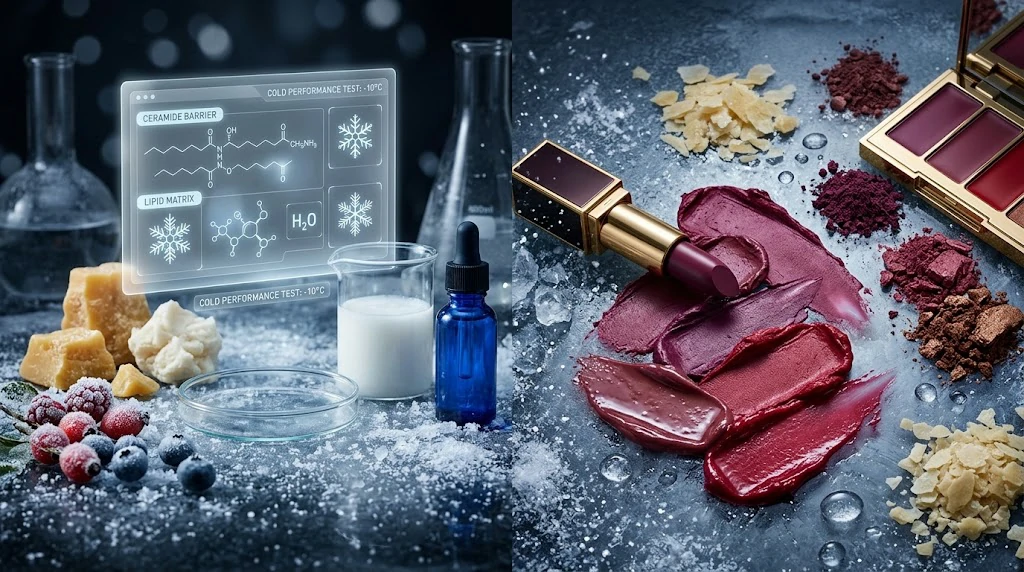
- Barrier Repair Lipids: Ceramides, cholesterol, and fatty acids mimic the skin’s natural lipid matrix, aiding in the restoration of a compromised barrier.
- Peptides: Certain peptides can stimulate collagen production, improving lip plumpness and reducing the appearance of fine lines, contributing to overall lip health.
- SPF Agents: Even in winter, UV radiation can damage lips. Incorporating broad-spectrum SPF (e.g., zinc oxide, titanium dioxide, or organic filters) is a critical differentiator for comprehensive protection.
Formulation Strategies: Texture, Delivery, and Appeal
The efficacy of a winter lip product is intrinsically linked to its sensory profile and user experience. Formulators must balance robust protection with desirable textures and long-lasting wear.
- Product Formats: While traditional balms remain popular, the market is expanding to include lip oils (lighter feel, high emollience), overnight lip masks (intensive repair), and treatment serums (concentrated actives). Each format offers distinct advantages for different consumer preferences and needs.
- Texture and Spreadability: A smooth, non-sticky, and non-greasy texture is paramount. Waxes and butters contribute to structure, while carefully selected oils and esters ensure a pleasant glide and comfortable wear. Achieving the right melting point for balms is crucial for optimal application and stability.
- Adhesion and Longevity: Ingredients like high molecular weight polymers or specific wax blends can enhance product adhesion to the lips, extending the duration of protection and active delivery.
- Flavor and Fragrance: While flavors and fragrances can enhance appeal, hypoallergenic options or fragrance-free formulations are often preferred for sensitive or compromised lips to minimize irritation potential. Natural flavors derived from fruit extracts are gaining traction.
Emerging Trends Shaping the Winter Lip Market
The winter lip care segment is dynamic, influenced by broader cosmetic industry trends:
- Sustainability and Naturals: A growing demand for ethically sourced, plant-based, and biodegradable ingredients. Examples include upcycled fruit oils, sustainably harvested waxes, and eco-certified emollients.
- Hybrid Formulations: Products that combine treatment benefits with cosmetic appeal, such as tinted lip balms with SPF, plumping glosses with hydrating actives, or overnight masks that double as daytime treatments.
- Microbiome-Friendly Formulations: While still nascent for lip care, ingredients that support the skin’s natural microbiome are emerging, aiming to foster a healthier lip environment.
- Blue Light Protection: As screen time increases, some brands are exploring ingredients that offer protection against blue light-induced oxidative stress, though its direct impact on lips is still under research.
- Personalization: The future may see more customized lip care solutions, potentially through AI-driven recommendations or modular product systems.
Regulatory Landscape and Claims
Navigating the regulatory environment is crucial. Claims such as ‘hydrating,’ ‘soothing,’ ‘repairing,’ and ‘SPF protection’ must be substantiated with robust scientific data. Understanding regional regulations (e.g., FDA in the US, EU Cosmetics Regulation) for ingredient usage, labeling, and testing is non-negotiable for market entry and compliance.
The Future of Winter Lip Care
The winter lip product market continues to evolve, driven by consumer demand for efficacy, sensory pleasure, and ethical considerations. Formulators who prioritize a deep understanding of lip physiology, leverage advanced ingredient technologies, and embrace innovative formulation strategies will be best positioned to create products that not only protect and heal but also delight consumers during the harshest months. The emphasis will remain on multi-functional products that offer comprehensive care, combining barrier protection, intense hydration, active repair, and aesthetic appeal in sustainable and safe formulations.
Manufacture with Aurora Global Brands
Recent Post