Strategic Selection: Identifying Leading OEM Skincare Suppliers for Private Label Success
QUICK NAVIGATION
- The Evolving Landscape of Private Label Skincare
- Core Competencies of a Leading OEM Skincare Supplier
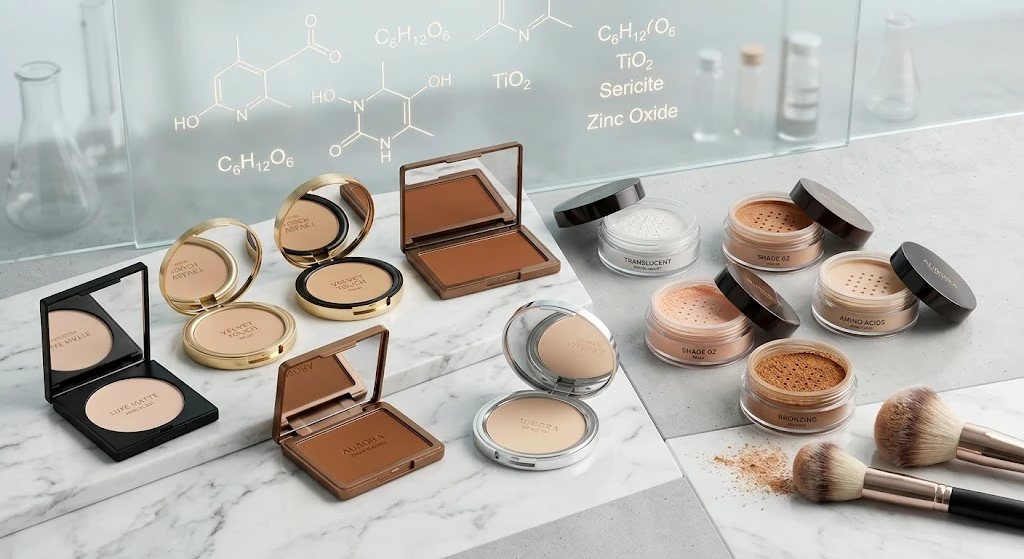
- The Indispensable Role of Cosmetic Chemistry in OEM Excellence
- Navigating Future Trends with a Strategic OEM Partner
The global private label cosmetics market, valued at over $40 billion, continues its robust expansion, projected to reach nearly $70 billion by 2030. This growth underscores the critical role of Original Equipment Manufacturers (OEMs) in enabling brands to enter and thrive within the competitive skincare landscape without the prohibitive costs of in-house R&D and manufacturing. For private label brands, selecting the right OEM partner is not merely a logistical choice; it is a strategic imperative that dictates product quality, market responsiveness, and ultimately, brand success.
The Evolving Landscape of Private Label Skincare
Consumer demand for high-quality, accessible, and specialized skincare products has fueled the private label sector’s ascent. Brands, from emerging startups to established retailers, are leveraging OEM partnerships to rapidly innovate, diversify product portfolios, and respond to niche market demands. This dynamic environment necessitates an OEM partner that offers more than just manufacturing capabilities; it requires a collaborator with deep market insight, scientific prowess, and operational excellence.
Core Competencies of a Leading OEM Skincare Supplier
Identifying a top-tier OEM involves a rigorous evaluation of several critical competencies:
- R&D and Innovation Capabilities: A leading OEM is not merely a production facility; it is a hub of scientific innovation. This involves robust R&D capabilities, including a team of experienced cosmetic chemists, formulators, and dermatologists who can translate market trends and scientific advancements into novel, effective formulations. Access to cutting-edge ingredient libraries, advanced analytical testing equipment, and a proactive approach to ingredient research (e.g., peptides, ceramides, novel botanical extracts, microbiome-friendly ingredients) are non-negotiable.
- Quality Control & Regulatory Compliance: Unwavering commitment to quality assurance is foundational. This encompasses adherence to Good Manufacturing Practices (GMP), ISO certifications (e.g., ISO 22716 for cosmetics), and rigorous in-house testing protocols for raw materials, in-process production, and finished goods. Comprehensive stability testing, microbiological testing, and heavy metal screening are standard. Furthermore, a leading OEM must possess deep expertise in navigating complex global regulatory frameworks (e.g., FDA, EU Cosmetics Regulation 1223/2009, Health Canada, ASEAN Cosmetic Directive) to ensure product safety and marketability across diverse regions.
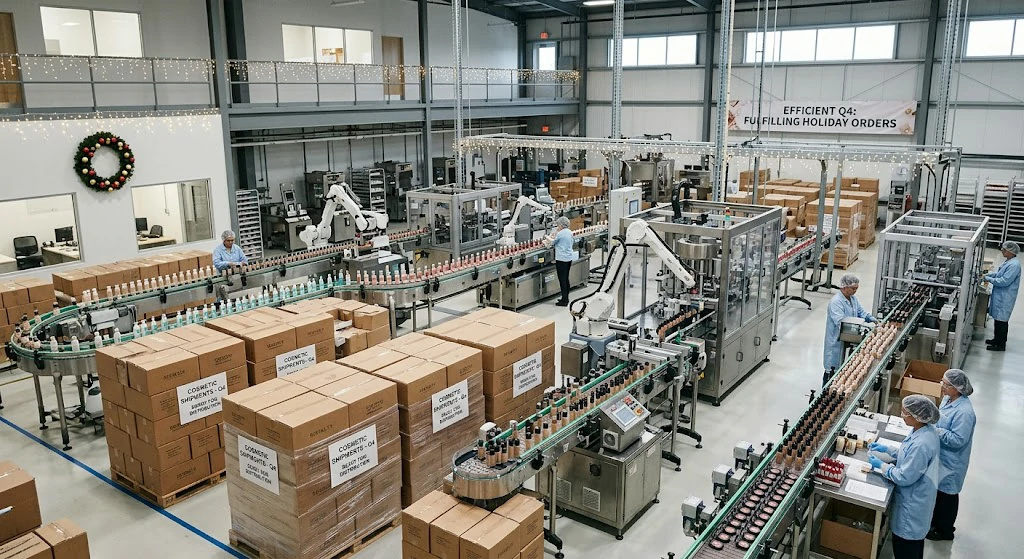
- Scalability & Production Capacity: The ability to scale production efficiently, from small pilot batches for market testing to large-scale commercial runs, is crucial. This requires state-of-the-art manufacturing facilities equipped with versatile machinery, optimized production lines, and robust inventory management systems to meet fluctuating demand without compromising lead times or product quality.
- Supply Chain Management & Sourcing: Effective supply chain management is critical for cost-efficiency, ingredient integrity, and timely delivery. A superior OEM cultivates strong relationships with reputable raw material suppliers, ensuring consistent access to high-quality, ethically sourced, and often sustainable ingredients. Transparency in sourcing and robust traceability systems are increasingly valued by brands and consumers alike.
- Customization & Flexibility: Private label brands often seek unique product identities. A top OEM offers extensive customization options, from bespoke formulation development and ingredient selection to packaging design and filling solutions. Flexibility in adapting to specific brand visions, market niches, and evolving consumer preferences is a hallmark of a valuable partnership.
- Cost-Effectiveness & Transparency: While cost is a factor, true cost-effectiveness lies in value. A leading OEM provides transparent pricing structures, detailed cost breakdowns, and efficient processes that minimize waste and optimize production costs without sacrificing quality. Long-term partnerships are built on trust and clear communication regarding all financial aspects.
- Sustainability & Ethical Practices: With increasing consumer awareness, an OEM’s commitment to sustainability and ethical practices is a significant differentiator. This includes eco-friendly manufacturing processes, waste reduction initiatives, sustainable packaging options, cruelty-free testing policies, and responsible ingredient sourcing.
The Indispensable Role of Cosmetic Chemistry in OEM Excellence
At the heart of every successful skincare product lies sophisticated cosmetic chemistry. A premier OEM leverages its chemical expertise to:
- Formulation Innovation: Develop stable, efficacious, and aesthetically pleasing formulations that deliver on their claims. This involves understanding ingredient interactions, emulsion stability, pH optimization, and preservative systems.
- Ingredient Science & Efficacy: Research and integrate cutting-edge active ingredients (e.g., encapsulated retinoids, advanced peptides, bio-fermented extracts) with proven efficacy, ensuring optimal concentration and delivery systems.
- Stability & Compatibility Testing: Conduct rigorous testing under various environmental conditions (temperature, humidity, light) to guarantee product integrity, shelf-life, and packaging compatibility.
- Safety & Toxicology: Ensure all ingredients and finished products meet stringent safety standards through comprehensive toxicological assessments and patch testing.
Navigating Future Trends with a Strategic OEM Partner
The skincare market is dynamic, influenced by evolving consumer values and scientific breakthroughs. A forward-thinking OEM helps private label brands capitalize on trends such as:
- Clean Beauty & Naturals: Formulating with transparent, non-toxic, and naturally derived ingredients, often with certifications.
- Personalization & Customization: Developing modular formulations or ingredient systems that allow for consumer-specific product tailoring.
- Dermocosmetics & Science-Backed Solutions: Focusing on clinically proven ingredients and formulations that address specific skin concerns with a pharmaceutical-grade approach.
- Microbiome-Friendly Skincare: Incorporating prebiotics, probiotics, and postbiotics to support skin barrier health.
- Sustainable & Ethical Sourcing: Prioritizing ingredients and packaging with reduced environmental impact and fair trade practices.
- Digital Integration: Utilizing data analytics and AI to predict trends and optimize product development cycles.
Selecting a top OEM skincare supplier is a strategic decision that profoundly impacts a private label brand’s success. It transcends mere manufacturing; it’s about forging a partnership with a scientific powerhouse and a reliable operational backbone. By prioritizing R&D innovation, stringent quality control, scalability, and an alignment with market trends, brands can secure a competitive edge and deliver exceptional products to consumers.
Formulate with Aurora Global Brands
Recent Post