Samples ship in 3 business days · UPS DDP, duties included3,800+ sample orders shipped to 59 countriesPrivate label from 11 pcs per SKU (makeup) · 12 pcs (skincare)GMPC · ISO 22716 · Made to FDA & EU rules
Unlocking Growth: A Deep Dive into the Strategic Imperatives of Private Label Cosmetics
TABLE OF CONTENTS & KEY TAKEAWAYS
- **Introduction to Private Label Cosmetics:** Understand the foundational role of private label in democratizing the beauty industry and fostering brand innovation.
- **Market Dynamics and Growth Drivers:** Explore the significant market expansion, propelled by e-commerce, influencer marketing, and evolving consumer demands for diverse, niche products.
- **Strategic Advantages for Brands:** Learn how private label offers unparalleled speed-to-market, cost efficiencies, robust brand control, and scalability, lowering entry barriers for new ventures.
- **Critical Considerations for Success:** Identify key factors such as meticulous supplier selection, advanced product development, effective branding, regulatory compliance, and streamlined supply chain management.
- **Emerging Trends Shaping the Future:** Discover the impact of clean beauty, sustainability, personalization, dermocosmetics, and digital-first strategies on the private label landscape.
- **Conclusion:** Grasp the strategic importance and future trajectory of private label cosmetics as a powerful engine for market differentiation and growth.
The global cosmetics industry, a dynamic and ever-evolving sector, has witnessed a significant shift in its operational paradigms. Among the most impactful transformations is the ascendancy of private label cosmetics. This model, where products are manufactured by a third party but sold under a retailer’s or brand owner’s label, has moved beyond a mere cost-saving tactic to become a strategic cornerstone for market entry, rapid innovation, and brand differentiation. For B2B stakeholders, understanding the intricacies of this segment is paramount to navigating competitive landscapes and capitalizing on emerging opportunities.
Market Dynamics and Growth Drivers in Private Label Cosmetics
The private label cosmetics market is experiencing robust growth, driven by a confluence of factors. Industry reports indicate a Compound Annual Growth Rate (CAGR) projected to be between 5% and 8% over the next five to seven years, with market valuations expected to reach tens of billions of dollars globally. This expansion is not merely incremental; it signifies a fundamental restructuring of how beauty products reach consumers.
Key drivers include:
- E-commerce Proliferation: The rise of online retail platforms has significantly lowered the barrier to entry for new brands, enabling direct-to-consumer (D2C) models to thrive without extensive physical retail infrastructure. Private label manufacturers are crucial partners in this ecosystem.
- Influencer Marketing & Niche Demand: Social media influencers and micro-celebrities frequently launch their own beauty lines, leveraging private label capabilities to quickly bring products aligned with their audience’s preferences to market. This caters to a growing consumer appetite for specialized, trend-driven, and authentic products.
- Cost Efficiency & Accessibility: For startups and established retailers alike, private label offers a cost-effective alternative to building in-house R&D and manufacturing facilities. This democratizes access to product development, fostering a more diverse market.
- Supply Chain Agility: Manufacturers specializing in private label often possess sophisticated supply chain networks, allowing for quicker adaptation to market trends and efficient scaling of production.
Strategic Advantages for Brands Leveraging Private Label
Adopting a private label strategy offers several compelling advantages for businesses aiming to establish or expand their presence in the beauty sector:
- Speed to Market: Utilizing existing, proven formulations from a manufacturer significantly reduces the product development cycle. Brands can launch new products or respond to market trends in a fraction of the time it would take for in-house development.
- Cost Efficiency: Brands avoid the substantial capital investment required for R&D, manufacturing equipment, and facility maintenance. Manufacturers benefit from economies of scale, passing on cost savings to their clients.
- Brand Control & Customization: While the product is manufactured externally, the brand retains full control over branding, packaging design, marketing, and pricing strategies. Many private label manufacturers also offer customization of base formulations, allowing for unique ingredient additions or modifications to align with specific brand visions.
- Lower Entry Barrier: This model is particularly attractive for new entrants or smaller businesses, enabling them to compete with larger players without prohibitive upfront costs.
- Scalability: Reputable private label manufacturers can accommodate varying production volumes, allowing brands to scale operations up or down based on market demand without significant operational overheads.
Critical Considerations for Success in Private Label Cosmetics
While the advantages are clear, successful private label ventures require meticulous planning and execution. Key considerations include:
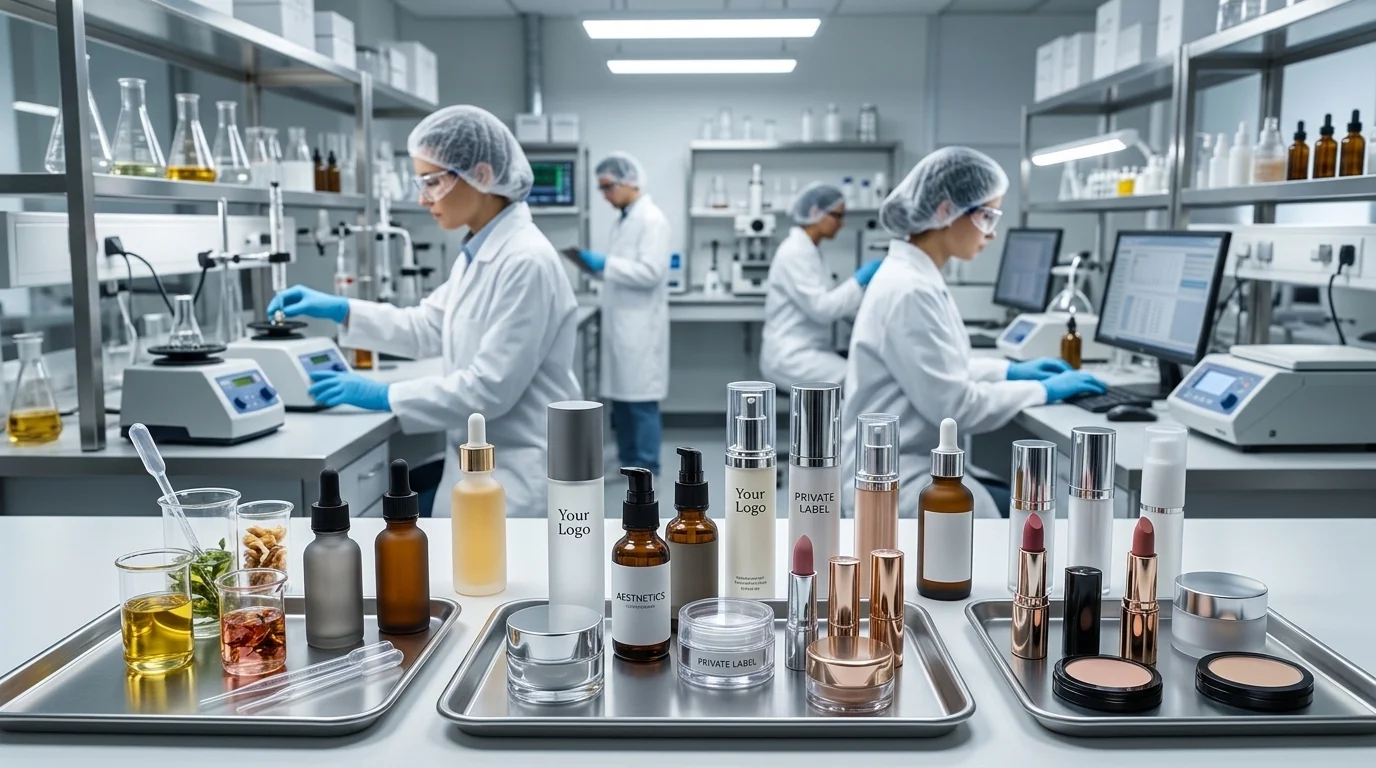
- Supplier Selection: The choice of manufacturing partner is paramount. Brands must evaluate a supplier’s R&D capabilities, quality control protocols (e.g., GMP certification), regulatory compliance expertise, minimum order quantities (MOQs), and track record. A strong partnership is built on transparency and shared commitment to quality.
- Product Development & Formulation: Brands must define their product’s unique selling proposition (USP). This involves selecting formulations that align with target audience needs, ingredient preferences (e.g., clean, vegan), and efficacy claims. Rigorous stability and safety testing are non-negotiable.
- Branding & Marketing: Differentiation is key. Beyond packaging, brands must craft a compelling narrative, define their target demographic, and develop effective marketing strategies that resonate with consumers.
- Regulatory Landscape: Navigating complex regulations (e.g., FDA in the US, EU Cosmetics Regulation, Health Canada) for ingredient lists, labeling, claims substantiation, and safety assessments is critical. A knowledgeable manufacturing partner can provide invaluable guidance.
- Supply Chain & Logistics: Efficient inventory management, reliable shipping, and robust distribution channels are essential for consistent product availability and customer satisfaction.
Emerging Trends Shaping the Future of Private Label Cosmetics
The private label sector is highly responsive to broader industry trends, offering a flexible platform for innovation:
- Clean Beauty & Sustainability: Consumer demand for natural, organic, cruelty-free, vegan, and sustainably sourced ingredients continues to grow. Private label manufacturers are increasingly offering formulations that meet these stringent criteria, alongside eco-friendly packaging solutions.
- Personalization & Customization: Advances in AI and data analytics are enabling brands to offer personalized product recommendations or even custom-blended formulations, often facilitated by agile private label production.
- Dermocosmetics & Science-Backed Formulations: There is a rising interest in products that bridge the gap between cosmetics and pharmaceuticals, offering targeted solutions for specific skin concerns. Private label partners with strong R&D capabilities can develop formulations with clinically proven active ingredients.
- Digital-First Strategies: The emphasis on e-commerce, social media engagement, and influencer collaborations continues to shape product development and marketing efforts within the private label space, requiring manufacturers to be adept at supporting digital-native brands.
Conclusion
Private label cosmetics represent a powerful and increasingly sophisticated segment of the beauty industry. For businesses, it offers a strategic pathway to innovation, market entry, and sustainable growth, provided there is a deep understanding of its dynamics, advantages, and critical success factors. By carefully selecting manufacturing partners, focusing on compelling product development, and navigating the regulatory and market landscapes with expertise, brands can unlock significant value and establish a strong, differentiated presence in the competitive beauty market.
Bring This Insight to Market
Partner with Aurora Global Brands to transform these insights into tangible market success. Leverage our expertise in cosmetic chemistry, regulatory compliance, and global supply chain management to develop and launch your next private label beauty innovation.
Recent Post