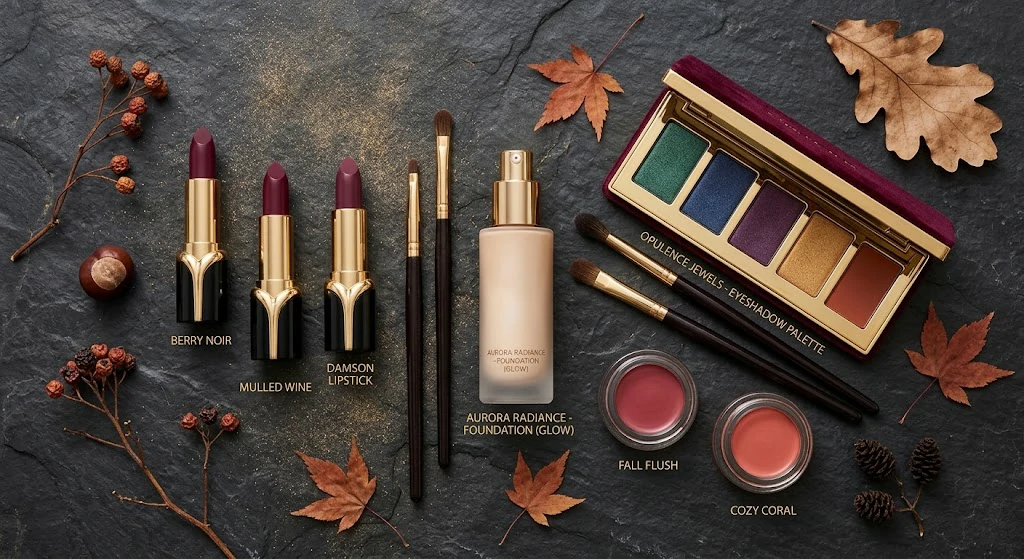
Why beauty brands are adopting generative AI now
Beauty shoppers research across video and search before purchase, which rewards brands that publish clear, educational content for both skincare and makeup. Generative AI helps teams produce that content faster, adapt it to local markets, and keep it consistent with brand and regulatory standards. Recent industry analyses show that consumers consult brand and publisher videos nearly as often as creator reviews—evidence that authoritative education influences discovery and conversion.
What generative AI solves in beauty marketing
Personalized guidance at scale: Routine builders that adapt to skin type, climate, sensitivities, and goals; complexion helpers that explain undertones, finish, and wear.
Content velocity with consistency: Variant headlines, captions, tutorials, and how-to pages that reuse a single source of product truth (INCI, usage, cautions).
Better PDPs and on-site search: Conversational answers, routine pairings, bundle suggestions, and ingredient explainers in plain language.
Efficient service: First-line support for order status, returns, and “how to use,” with escalation rules for complex or medical questions.
Playbooks for skincare and makeup
Skincare
Regimen builders: Collect minimal inputs (skin type, sensitivity flags, environment) and return AM/PM steps with usage cadence and caution notes (e.g., retinoids vs. exfoliating acids).
Ingredient explainers: Map INCI to consumer language and link to brand education pages; surface compatibility notes like fragrance-free or non-comedogenic.
Post-purchase coaching: Send seasonal adjustments (e.g., barrier support in winter) and refill timing.
Makeup
Complexion guidance: Recommend shades by undertone and coverage goals; pair with prep/setting tips to reduce returns.
Finish finders: Explain matte, satin, and dewy outcomes; suggest lip or eye pairings for occasions (office, photo, evening).
UGC summarization: Condense review themes (wear time, transfer, glow) while keeping tone neutral and evidence-based.
Omnichannel execution
PDP experiences: Inline Q&A, “complete the routine,” and cross-sell modules that reference verified product data.
Retail & chat: Store associates use the same assistant for ingredient questions and routine building, ensuring consistent guidance in-store and online.
Campaigns & social: Generate briefs, hooks, and scripts for tutorials; adapt to markets and languages while maintaining approved claims.
Data and governance foundations
Operational success depends on a clean product knowledge base (INCI, compatibility notes, usage steps), prompt templates that reflect brand tone, and documented refusal behavior for medical or off-label claims. For risk management and oversight, align processes with the NIST AI Risk Management Framework to evaluate reliability, bias, privacy, and security across the AI lifecycle; the framework’s Govern/Map/Measure/Manage functions are a practical checklist for beauty teams deploying assistants in regulated contexts.
U.S. compliance considerations
If selling in the United States, teams should maintain a canonical reference to MoCRA updates—covering facility registration, product listing, recordkeeping, recall authority, and fragrance allergen labeling—so AI-generated copy and guidance stay consistent with regulatory obligations. Keep this reference accessible to product, legal, and CX stakeholders and route uncertain claims for human review.
What to implement first (60-day blueprint)
Weeks 1–2 — Prepare
Centralize product facts (ingredients, usage, cautions, claims) and define brand tone.
Set escalation and refusal rules for sensitive queries.
Weeks 3–4 — Pilot
Launch a skincare regimen builder and PDP Q&A on two hero categories.
Instrument events for assisted sessions, add-to-cart, time-to-answer, and bounce.
Weeks 5–6 — Expand
Add a complexion finish & shade guide and UGC summarization for top SKUs.
Localize copy for one market; align with claims and labeling guidance.
Weeks 7–8 — Operationalize
Train retail or support teams on the same assistant; integrate with CRM for lifecycle journeys.
Review outputs weekly; update product facts and prompts based on real questions.
Measurement that matters
Engagement quality: assisted sessions, depth of scroll, time on PDP.
Commercial impact: add-to-cart rate, conversion, AOV from assisted sessions, attach rate for regimen bundles.
Service efficiency: first-contact resolution, handle time, deflection to self-serve.
Customer signals: post-interaction CSAT/NPS; return rates for complexion items.
Team guardrails
Keep assistants grounded in approved facts and ingredient guidance; prefer retrieval over freeform generation for anything safety-relevant.
Require human review for new claims or cross-category recommendations.
Log prompts and outputs for auditability and continuous improvement.
Reader note
Consumer behavior around beauty research continues to evolve; maintaining a lightweight insights feed helps content stay relevant. Think with Google’s analyses of how U.S. shoppers use video and search can inform topic choices for tutorials, ingredient explainers, and routine education.