Introduction
The beauty industry is evolving fast. With increasing demand for uniqueness and quality, more brands are turning to custom formulation and exclusive packaging to stay competitive. This shift is especially significant in the private label cosmetics market, where differentiation and innovation drive success.
What Is Custom Formulation?
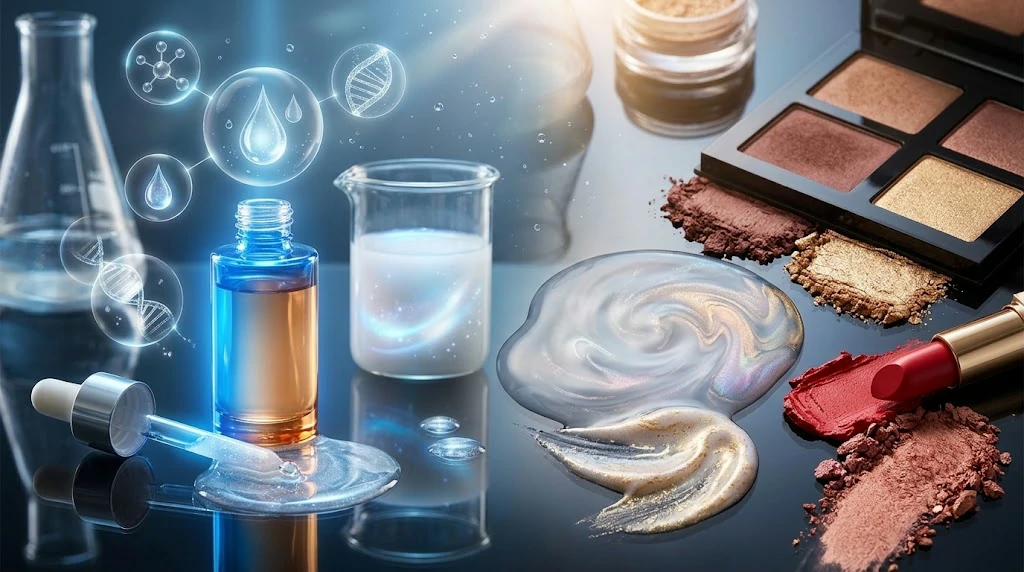
Custom formulation means developing a unique cosmetic formula from scratch or modifying an existing one to match a brand’s vision. This could involve:
| Component | Customizable Options |
|---|---|
| Base Ingredients | Natural, organic, vegan, cruelty-free |
| Color Pigments | Custom shades and finishes (matte, shimmer, satin) |
| Functional Add-ons | SPF, anti-aging, long-wear, waterproof |
| Sensory Profile | Texture, scent, absorption rate |
🧪 Example:
A brand targeting eco-conscious Gen Z consumers may opt for a vegan, silicone-free liquid blush with plant-based pigments and recyclable packaging.
The Rise of Exclusive Packaging
Packaging now plays a strategic role in brand perception and customer retention. Exclusive packaging includes customized shapes, sustainable materials, and premium printing techniques.
| Packaging Type | Features | Common Use Case |
|---|---|---|
| Magnetic Paper Boxes | Luxury look, easy unboxing | False eyelashes, gift sets |
| Acrylic or Glass Jars | Reusable, high-end aesthetics | Cream-based makeup |
| Refillable Compacts | Eco-friendly, reduces waste | Pressed powder, foundation |
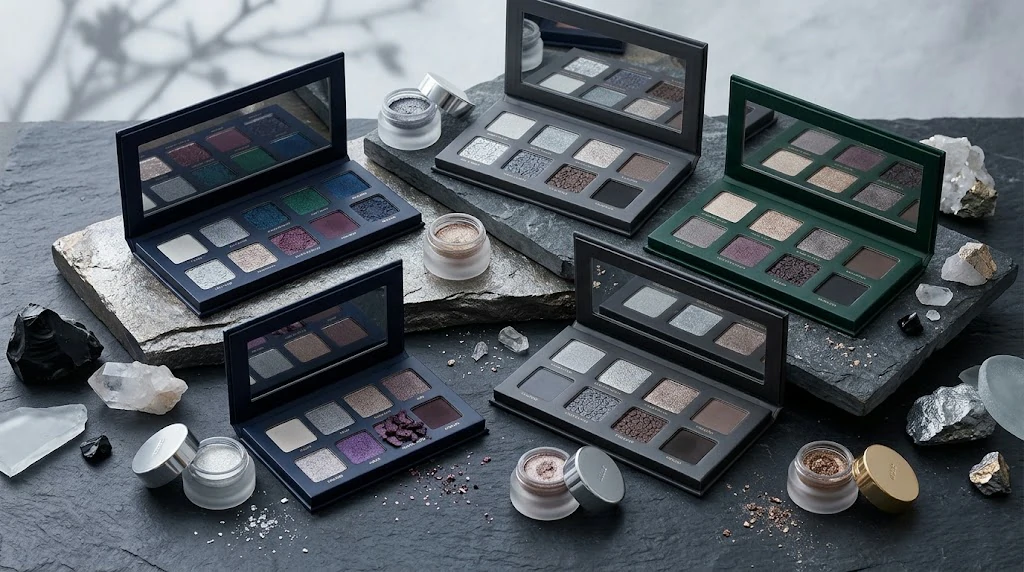
| Paper Palettes | Lightweight, recyclable | Eyeshadows, blushes |
📦 Case Study:
A nail brand launched a limited-edition line using biodegradable pulp trays and soy-based inks, gaining positive coverage on Allure for sustainable innovation.
Why Brands Are Making the Shift
Here are the top reasons brands choose custom options over standard white label products:
| Benefit | Impact on Business |
|---|---|
| Unique Brand Identity | Easier to stand out on crowded retail shelves |
| Premium Positioning | Justifies higher price points |
| Customer Loyalty & Trust | Transparency and quality build brand loyalty |
| Market Expansion Opportunities | Meets different international regulatory standards |
📈 Market Data:
According to Statista, the global beauty packaging market will reach $35.7 billion by 2026.
Meanwhile, a McKinsey report shows 72% of Gen Z consumers are more likely to buy from brands that offer personalized products.
What Products Work Best With Customization?
Customization isn’t just for makeup. Many product categories benefit from exclusive formulas and packaging:
| Product Category | Customization Opportunities |
|---|---|
| False Eyelashes | Lash style, curl type, packaging box design |
| Makeup Brushes | Brush head shape, handle materials, pouch design |
| Pressed Powders | Formula finish (matte/glow), refillable compacts |
| False Nails | Nail shapes, patterns, packaging for kits |
Choosing the Right Manufacturer
Not all manufacturers offer full customization. Look for partners who provide:
R&D for new formulations
Flexible MOQs
In-house packaging design services
Experience in makeup, lashes, brushes, and nails
🏭 Example Manufacturer:
Aurora Global Brands offers both private label and contract manufacturing solutions with end-to-end support—from concept to delivery—helping brands scale internationally.
Final Thoughts
In today’s beauty market, offering something “standard” is no longer enough. With the rise of custom formulation and exclusive packaging, private label brands can launch unique, high-impact products that resonate with consumers and drive long-term growth.