
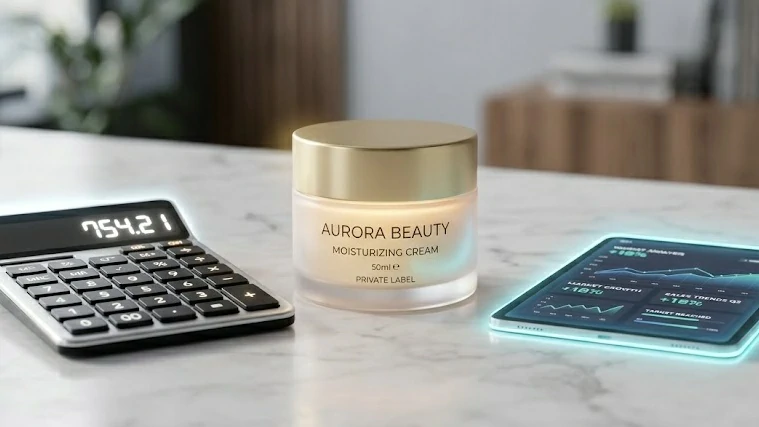
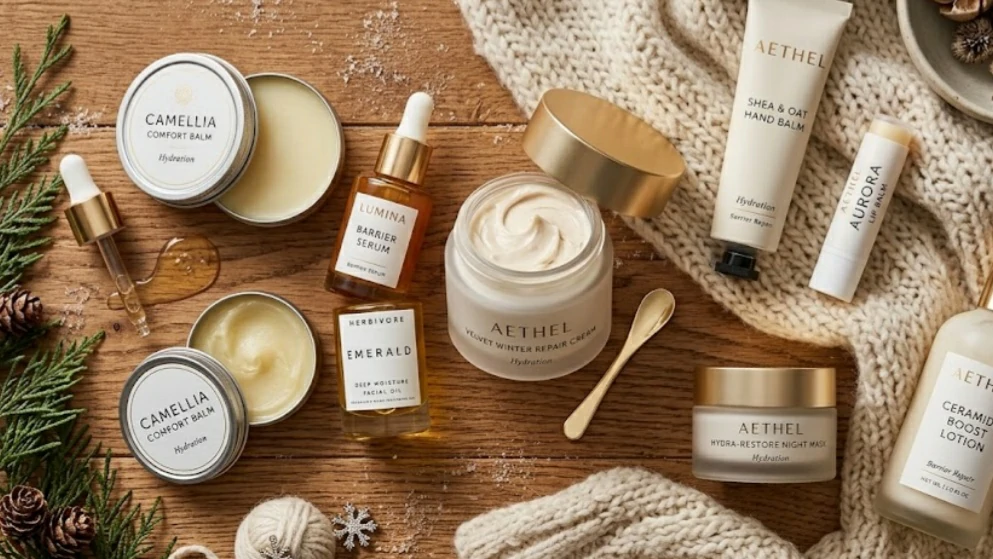
Spring 2026 product launches for the US and European markets should focus on multifunctional hybrids, clean ingredient transparency, and barrier-supportive formulations. Professional buyers should prioritize high-performance “Skin-Streamlining” products that combine cosmetic coverage with long-term dermatological benefits.
The convergence of high-level sun protection and active skincare remains the primary growth driver in the US market. For Spring 2026, the focus shifts toward “weightless” textures that utilize non-nano zinc oxide combined with hydrating agents.
Key Ingredients: Hyaluronic acid, Niacinamide, and non-nano Zinc Oxide.
Target Audience: Consumers seeking to reduce daily steps while maintaining broad-spectrum protection.
Manufacturing Focus: Stability testing for SPF rating combined with active serum components is critical for compliance with FDA (US) and Annex VI (EU) regulations.
Post-winter skincare in 2026 will emphasize repairing the moisture barrier rather than heavy occlusion. Lightweight gel-creams that provide a “water-burst” effect are ideal for the transition into warmer spring temperatures.
Key Ingredients: Ceramide complexes, Squalane, and Centella Asiatica (Cica).
Product Profile: Non-comedogenic, fragrance-free, and suitable for sensitive skin types.
Market Trend: The “Slugging” trend is evolving into “Micro-dosing” barrier repair through lighter, daily-wear vehicles.
Spring makeup trends consistently favor dewy, monochromatic looks. PH-reactive formulations provide a customized tint that appeals to the “Clean Girl” aesthetic dominant on social commerce platforms.
Texture: Non-sticky, high-shine finish with botanical oil bases.
Active Additives: Vitamin E and Jojoba oil for sustained lip hydration.
OEM Advantage: Low MOQ (Minimum Order Quantity) potential due to standardized clear bases with varying reactive pigments.
The “Skinification of Hair” has moved beyond basic shampoo. Spring 2026 will see a surge in scalp-specific treatments designed to remove winter buildup and promote follicular health.
Formulation Type: Salicylic acid exfoliants or rosemary-infused stimulating oils.
Packaging Trend: Precision tip applicators for direct scalp contact.
Regulation Note: Formulations must avoid therapeutic claims regarding hair growth to remain categorized as cosmetics.
Professional buyers are looking for “effortless” color. Liquid eye shadows that offer skincare benefits—such as firming peptides—address the needs of the aging demographic in Europe and North America.
Key Features: Crease-proof, 12-hour wear, and easy blending.
Ingredients: Acetyl Hexapeptide-8 or Palmitoyl Pentapeptide-4 for a temporary smoothing effect.
Visuals: Soft pastels and earth-toned “nudes” are the forecasted color palette for Spring 2026.
Body care is no longer secondary to facial care. Incorporating pre/probiotics into body luminizers caters to the growing demand for microbiome-friendly products that offer an immediate visual “glow.”
Benefit: Supports the skin microbiome while providing ethically sourced mica for shimmer.
Fragrance Profile: Mediterranean citrus or “green” botanical scents.
Sustainability: Use of PCR (Post-Consumer Recycled) plastic packaging is highly recommended for this category.
When launching in the US and Europe, ensure your OEM partner provides:
COA (Certificate of Analysis): Verifies the chemical composition.
MSDS (Material Safety Data Sheet): Required for international shipping.
CPSR (Cosmetic Product Safety Report): Mandatory for the EU market.
Stock Formulations: 500 – 1,000 units per SKU.
Semi-Custom (Custom Color/Scent): 2,000 – 3,000 units.
Full Custom Formulation: 5,000+ units.
Q1: What is the lead time for a Spring 2026 launch? A: To launch in March 2026, procurement and formulation should be finalized by August 2025 to allow for stability testing, packaging production, and 8–12 weeks of manufacturing and shipping.
Q2: Are “Clean Beauty” standards different in the US vs. Europe? A: Yes. The EU bans over 1,300 ingredients, while the US FDA currently bans significantly fewer. However, US retailers like Sephora and Target have “Clean” lists that often mirror or exceed EU standards.
Q3: Can I customize the scent of a stock private label formulation? A: Yes, most manufacturers allow scent customization. Note that adding essential oils or synthetic fragrances may require updated stability testing to ensure the formulation doesn’t separate.
Q4: Which packaging is best for “Sustainable” branding? A: Glass is infinitely recyclable but heavy (higher shipping costs). Aluminum is highly recyclable. PCR (Post-Consumer Recycled) plastic is the current industry standard for balancing cost and sustainability.
We use cookies to keep our website working, understand how visitors use it, and measure advertising performance. You can accept cookies or update your privacy choices at any time.
We will reply back within 24 hours.